

Did you guys ever think about where your favorite cashew nut comes from?
Many of us know cashews are nuts, but they are not. Basically, they are seeds because it is found inside a fruit. Which are known as drupe. Drupes are fruits that are fleshy on the outside but contain a shell with a seed on the inside. Isn’t it interesting? Now let’s see where we can find these special nuts.

In the heart of West Africa, Ivory Coast is making big changes with a small nut “the cashew”. This tiny powerhouse is more than just a snack. It’s a key to transforming communities. Here, cashews are turning into a source of hope and prosperity.
Join us as we explore how Ivory Coast is using cashews to change lives. Also how it is making it an exciting place for growth and investment.
How Cashew Cultivation Supports Rural Families
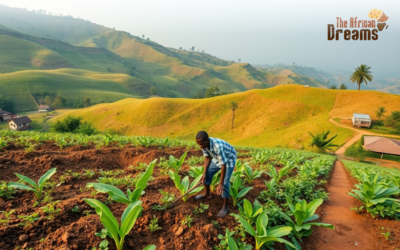
In the landscapes of rural Ivory Coast, cashew nuts are not just crops; they are economic lifelines for thousands of families. This West African nation is one of the world’s leading producers of cashew nuts. A status that significantly impacts its rural communities. The journey of cashew nuts begins when farmers invest countless hours in ensuring the health and productivity of their cashew trees.
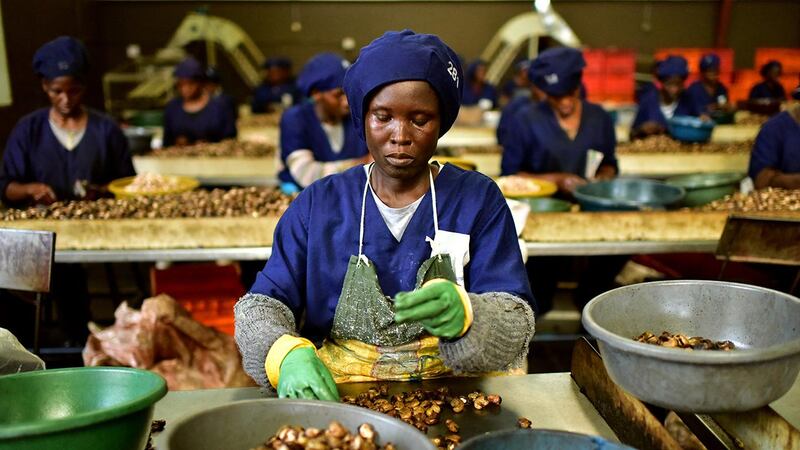
In the industry are countless personal stories of hope, struggle, and triumph. Take, for instance, Ama, a mother of three who started her cashew processing facility with the help of a micro-loan. Her business not only supports her family but also employs ten other women in her village. Which creates a ripple effect of empowerment and economic stability.
Source: The National
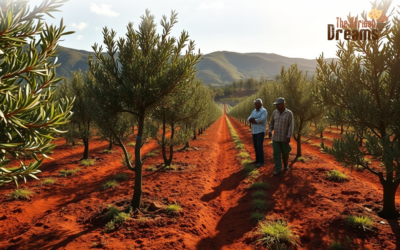
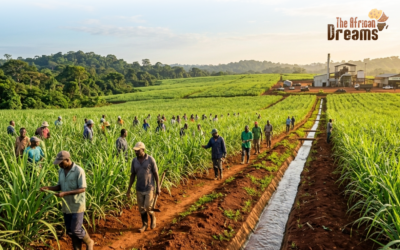
Figure: Contributing to the cashew farming
Then there’s Yao, who has been farming cashews for over two decades. Through his cooperation. He has been able to send his children to university, a dream that once seemed unreachable. These stories highlight the personal impacts of cashew cultivation. underscoring its role as more than just an economic activity but a beacon of hope for the future.
In sum, the story of cashew nuts in rural Ivory Coast is a narrative of hope. It is an example of how a single crop can influence the economic and social landscape. Through the eyes of individuals like Ama and Yao, we see not just the challenges of today but also the potential for a brighter tomorrow.
Cashew Production, Current Landscape, and Prospects in Ivory Coast
Ivory Coast stands as one of the leading cashew producers globally, with a production that reached approximately 1.1 million tons by 2021. This places the country at the forefront of the global cashew market, especially in Africa where it has been the largest exporter.
Current Landscape
The cashew industry in Ivory Coast is characterized by significant export activity. With a substantial majority of the produce being sold in raw form. This export-oriented approach has led to the country earning around $961 million from cashew exports in 2021. Despite a slight decrease compared to the previous year. The sector’s reliance on exports, however, has prompted both governmental and private sector moves towards increasing local processing capacities.
Recent developments have seen major investments in the processing sector. Companies like Royal Nuts and Dekel Agri-Vision have established large processing facilities. They aim to reduce the export of raw cashews and instead add value locally. These plants not only aim to meet local processing targets set by the government but also create employment and stabilize the domestic market.

Figure: Cashew storage facilities
Government Initiatives
The Ivorian government has set ambitious targets to transform up to 50% of its raw cashew production locally by 2030. Initiatives to achieve this include encouraging private investments in the processing sector. Also, they have to enhance infrastructural support. The government’s efforts are aimed at gaining a more sustainable economic model that has more value within the country.
Moreover, with the focus on sustainable and organic farming practices, Ivory Coast could tap into premium markets. Which will offer higher returns for environmentally friendly and socially responsible products. These developments would improve the profitability of the sector. It will also contribute to broader economic stability and growth.
Current Market Trends in the Cashew Industry of Ivory Coast
Supply Challenges and Price Volatility
The cashew market in 2024 has been marked by significant fluctuations in supply. Due to inconsistent weather patterns in the key growing regions. These conditions have led to a notable reduction in cashew production. About 25% less than the previous year. Such supply constraints are a critical factor in market dynamics. Eventually driving up the cost and affecting the pricing of cashew kernels.
Demand Dynamics
There remains a strong demand for in-shell cashews, particularly from India. Which continues to influence global supply chains. However, The ongoing promotions in the U.S. and Europe are supporting consumption levels. So the demand for cashews is increasing every day.
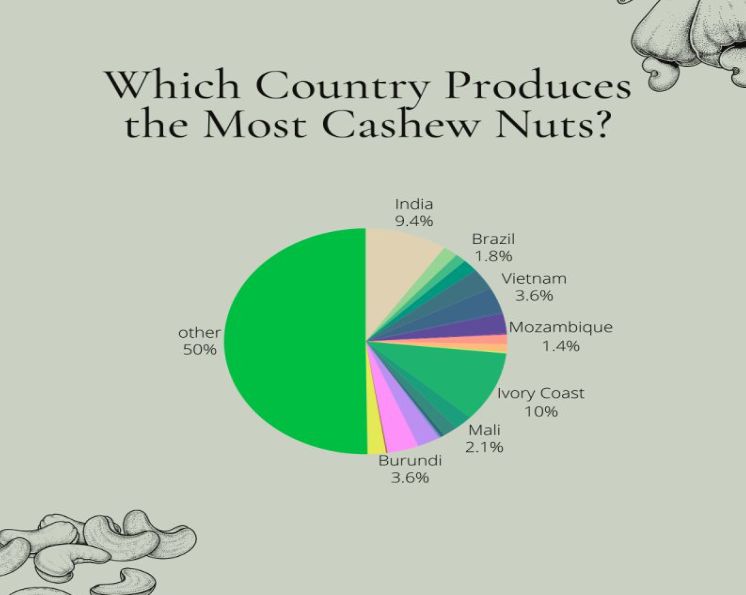
Figure: Chart of cashew production.
Major Investors in Ivory Coast in the Cashew Sector
Investors in the cashew nut sector in Ivory Coast include both local and international companies. Which are significantly contributing to the development of the industry by increasing processing capacities within the country.
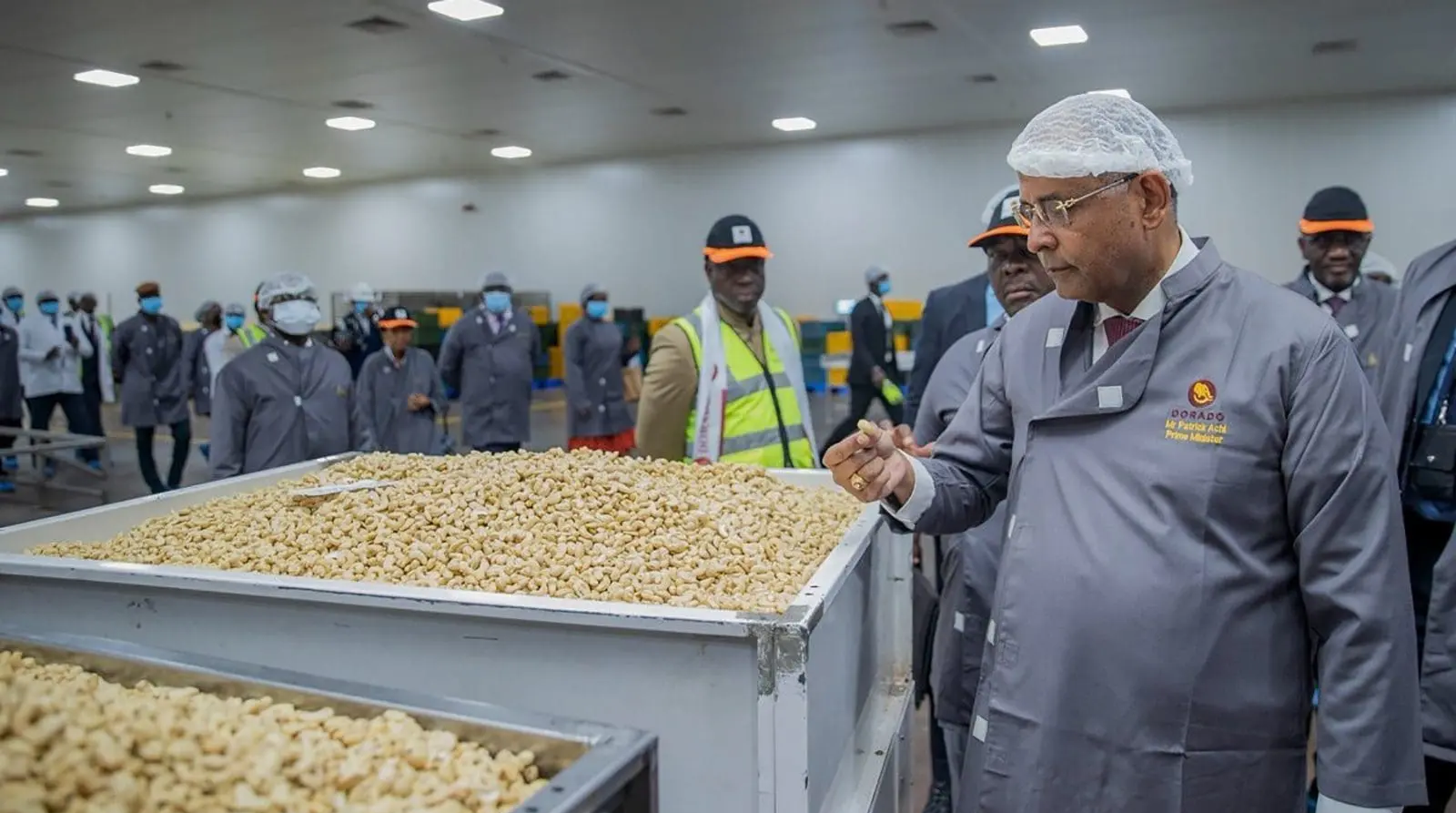
One of the key players is Dekel Agri-Vision PLC, a UK-based agro-industrial company that has fully acquired a cashew operation in Ivory Coast. They have plans to scale up its processing capacity. Similarly, Royal Nuts, under its subsidiary Dorado Ivory, has invested $23 million in a processing plant with a capacity of 75,000 metric tons annually. Which reflects a strong commitment to enhancing the local cashew processing industry.
Source: Food Business Africa
Fig: Royal Nuts opens US$23m cashew nut processing plant in Ivory Coast
Additionally, Afcott Cashew Sarl, part of the Kewalram Chanrai industrial group, has also made significant investments. They’ve developed a processing unit that aims to enhance its capacity from 20,000 tons to 50,000 tons by 2027. Trying to make a considerable impact on both national and international markets.
Why should you Consider Investing in Cashew?
The cashew sector in Ivory Coast contributes about 9% to the country’s GDP. In 2021, cashew exports generated approximately $961 million. This financial contribution highlights the sector’s importance and potential for growth, making it an attractive area for investment. With nearly 80% of the annual cashew production exported in raw form. The government is pushing to increase local processing to create more value within the country.
Investing in Ivory Coast’s cashew industry can be beneficial due to the high global demand for cashews. The favorable government policies aimed at increasing local value addition. It also has the potential for high returns as the processing capabilities expand.
Conclusion
As we wrap up our exploration of Ivory Coast’s cashew industry, it’s clear these small nuts are doing big things for the country. From creating jobs to boosting the economy, every cashew harvested is a step towards a brighter future. Ivory Coast is not just producing cashews; it’s growing opportunities and dreams. Keep watching this space where simple seeds are sowing the seeds of change for an entire nation.
0 Comments