
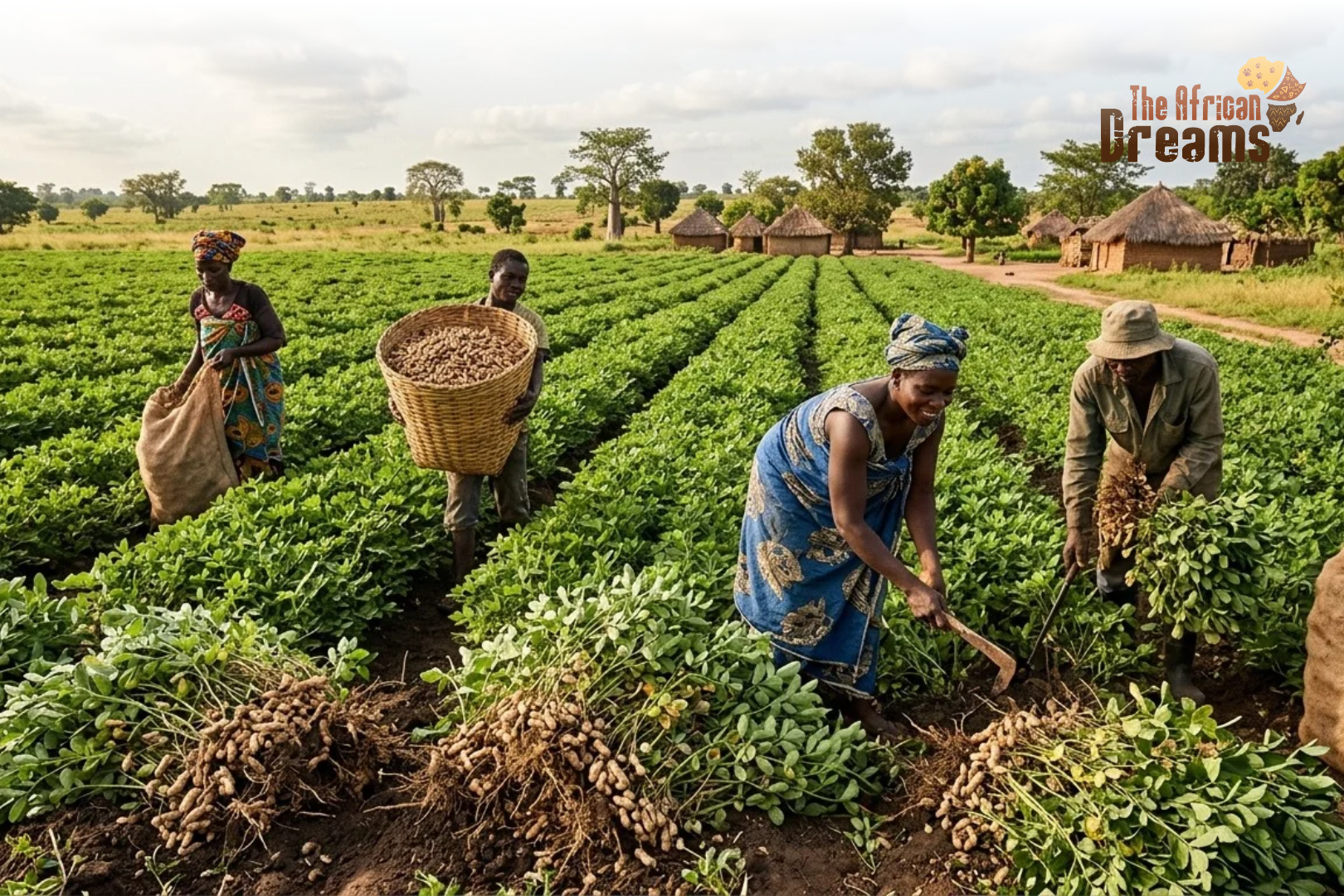
Introduction: Guinea-Bissau’s Peanut Industry
In Guinea-Bissau, peanuts are called Mindjeris in the national Crioulo (Kriol) language. The nut is a vital component of the country’s economic framework and comes in at position 42 in the world in peanut production. According to estimates, the nation’s peanut production will increase to 57,910 metric tons in 2026 from 52,130 metric tons in 2021, with a 1.8% average annual growth rate. New investors can join this project with the guarantee of lucrative business in their domain. This is an article on Guinea-Bissau’s peanut industry, obstacles to its production, and the chances of investment.
Article Highlights
Mindjeris, or peanuts from Guinea-Bissau, are historically and economically significant. In Guinea-Bissau’s peanut industry, yields will increase at an average rate of 1.8% annually to 2026.
The major peanut-producing regions are Bafatá, Gabú, and Farim (Oio region), which have good savannah forests. Foreign varieties like Spanish and Valencia varieties have the potential to be grown, but only local varieties are grown.
Peanut products are average, including oil, butter, flour, roasted snacks, and peanut milk. Peanuts possess several health benefits, including heart health, weight management, and blood sugar control.
In Guinea-Bissau’s peanut industry, challenges include low farm returns, poor roads, limited market access, poor financing, pests, and soil erosion.
Strengths include new agriculture, better seeds, cooperative establishment, investment in infrastructure, microfinance access, and value-added processing.
Higher domestic consumption, export markets in foreign countries, fertile, untapped land, and government incentives make it an outstanding sector in which to invest. Investment can create rural employment opportunities, promote community growth, and have a long-term social impact.
Historical Significance of Peanut Cultivation
Peanuts were the primary colonial export crop in Guinea-Bissau. During the mid-1950s, 70% of Guinea-Bissau’s exports were peanuts. Peanuts were cultivated on a small scale along the Rio Grande and Bolama Island, and European and local merchants dominated production. Their environment and soil were perfect for cultivation, but there are some destinations where the cultivation amount is high.
Guinea-Bissau's Peanut Industry: Key Regions for Production
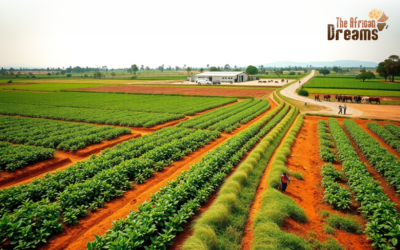
Peanuts are produced primarily in the northern and eastern regions of Guinea-Bissau, with favorable climatic and soil conditions. Among the critical areas are-
1. Bafatá Region: In the east, this region has a long history of peanut farming among the locals.
2. Gabú Region: Even in the east, Gabú’s wood savannah is seeing peanut cultivation primarily by Fula farmers.
3. Farim Area (Oio Region): In the north, Farim has been discovered to be an area where Balanta farmers cultivate peanuts.
The above regions have savannah woodlands and ferralsol soils appropriate for peanut cultivation. Agriculture is one of the biggest employers of the population, and an estimated 80% of the workforce is involved in it. The crop serves as a source of food and income through local markets.
Guinea-Bissau's Peanut Industry: Types of Peanuts Grown
Guinea-Bissau grows only local, native varieties of peanuts suited to tropical climates, but globally, miscellaneous varieties of peanuts, such as
1. Spanish Peanuts: Reddish-brown shell, smaller. Higher oil content, suitable for candy and peanut oil.
2. Valencia peanuts: This sweeter type typically has three or more kernels per shell. They’re suitable for boiling or making natural peanut butter.
Production & Export Volume
In December 2023, Guinea-Bissau produced approximately 143,818 metric tons of unshelled groundnuts, ranking number 33 globally. Guinea-Bissau’s peanut production in the coming years is projected to increase steadily to an estimated 57,910 metric tons in 2026 from 52,130 metric tons in 2021. That equals 1.8% average annual growth. Guinea-Bissau exports peanuts very minimally. For instance, in 2023, Cape Verde imported US$28,000 worth of raw peanuts from Guinea-Bissau.
Ways to Consume Guinea-Bissau's Peanuts
1. Peanut oil is highly desired as a culinary oil in West Africa. Peanut butter is used in spreads, snacks, and cooking.
2. People generally eat roasted peanuts as an instant meal. Boiled peanuts have a specific origin, namely Valencia types.
3. Peanut flour is usually used for gluten-free meals and high-protein diets.
4. Peanut sweets, chocolate bars flavored with peanuts, and nougat can be eaten as sweets. Peanut milk can be used as a substitute for dairy.
5. Peanut stew/soup is eaten in the majority of African nations.
Health benefits of Guinea-Bissau's Peanuts
Guinea-Bissau’s peanuts can be eaten in many ways and have many health benefits. Peanuts have also been called a “superfood” due to the qualities that are found in them.
1. It is a protein food necessary for muscle repair and development.
2. It contains good fats, i.e., mostly polyunsaturated and monounsaturated (heart-friendly).
3. It contains vitamins and minerals, i.e., vitamin E, B-group vitamins, magnesium, potassium, and phosphorus.
4. It is a source of antioxidants and resveratrol (the same as in red wine). They are helpful for blood sugar management due to their low glycemic index and fiber.
5. It is also weight-controllable. Despite their calorie density, peanuts are satiating and, when consumed in moderation, can help with weight control.
Contemporary Issues Facing Guinea-Bissau's Peanut Industry
Although the country has ideal conditions and a long history of peanut cultivation, many issues still limit Guinea-Bissau’s peanut production.
1. Low Productivity on Farms: Incorporation of minimal mechanization in conventional farming methods. Inadequate access to improved, high-yielding varieties of Guinea-Bissau’s peanut seeds.
2. Soil Erosion: Overcultivation without crop rotation drains soil nutrients. Field burning and deforestation also reduce soil fertility.
3. Poor Infrastructure: Bad roads hinder the flow of peanuts from farms to markets. Inadequate storage renders post-harvest losses to rot and insects unavoidable.
4. Limited Access to Markets: Farmers depend greatly on local markets, with no well-structured cooperatives or value-chain networks.
5. Weak Financing and Investment: Small-scale farmers cannot access agricultural loans or microfinance. No external investors deal specifically with peanuts (most investors deal with cashews).
6. Pests and Diseases: Pest infestations, such as aphids, leaf spot disease, and fungal disease, can cause losses due to poor prevention or management.
Solutions for Better Production in Guinea-Bissau's Peanut Industry
Investors can approach new solutions to solve these problems. These collaborations will address the current issues and make for a profitable business.
1. Employ Modern Farming Techniques: Share improved, drought-resistant, and disease-resistant peanut seed varieties. Educate farmers to adopt best practices like crop rotation and soil fertility management.
2. Soil Restoration Programs: Promote the use of organic fertilizers like compost in Guinea-Bissau’s peanut production. Promote agroforestry (cultivating trees and peanuts) to maintain soil fertility and structure. Develop and Enhance Infrastructure. Invest in rural roads to connect farmers with large markets. Provide storage warehouses and drying equipment to reduce post-harvest losses.
3. Group Farmers into Cooperatives: Group small farmers so they can sell to large buyers. Enhance bargaining power and bulk selling to enable exporters to become more competitive. Adopt microcredit schemes or insurance cover for peanut farmers. Provide government- or donor-subsidized low-interest loans for farming equipment and supplies.
4. Value Addition: Invest in small-scale processing facilities (peanut butter, peanut oil, snacks). Sell value-added products instead of raw peanuts to earn maximum income.
5. Integrated Pest Management (IPM): Train farmers in climate-friendly pest management (biological control, organic pesticides). Encourage early disease detection and disease-resistant peanut varieties.
Why Investors Should Invest in Guinea-Bissau's Peanut Industry
The previous section demonstrated how investors can invest and address the current problems. However, investors should start their farms while remembering the issues that can affect them so that they can prepare early. An investor should consider Guinea-Bissau’s peanut industry because it is an ideal sector for investment.
1. Guinea-Bissau’s agricultural sector has enormous untapped agrarian potential. The northern and eastern regions have vast amounts of underexploited fertile land, much of which is suitable for growing peanuts. The local climate supports peanut cultivation, enabling investors to achieve high agricultural returns with relatively insignificant land purchase costs and operational costs.
2. Rising local demand also opens up an investment opportunity for Guinea-Bissau’s peanut industry. Peanuts are the dietary staple of locals. With escalating urbanization and demand for value-added peanut items like oil, butter, and snacks, investors can meet growing domestic consumption and reduce import dependency.
3. There are many regional and international export markets for Guinea-Bissau’s peanut industry. West African countries bordering Guinea-Bissau, as well as European countries (specifically Portugal and Spain), have high demand for peanuts and peanut products. With improved logistics and processing, Guinea-Bissau can be a regional and global actor.
4. Furthermore, government and donor support keep the company afloat for prospective investors. The global community and the government of Guinea-Bissau are particularly interested in encouraging the diversification of agriculture. Policies that favor investment, grants, and incentives are being suggested to woo investments in agribusiness, such as peanuts.
5. In addition, investors can construct high-value-added ventures in Guinea-Bissau’s peanut industry. Peanuts are not just a raw material. Investors can invest in value-added businesses like peanut oil processing, packaged roasted peanuts, peanut butter, and animal feed manufacturing, which generate several sources of income aside from raw peanut sales.
6. Guinea-Bissau’s peanut industry has low competition and a first-mover advantage, which is a bonus. Unlike cashew cultivation, which has a high number of players, the peanut industry is relatively underdeveloped. The early players can establish market-leading brands and strong farmer networks and capture most domestic and regional markets.
7. There is potential to create jobs and social impact. Investment in Guinea-Bissau’s peanut industry, especially peanut cultivation, creates valuable jobs, especially for rural populations. This generates monetary returns, strengthens community ties, delivers CSR aims, and creates positive international publicity.
To know more about other industries to invest in Guinea-Bissau, check out Guinea-Bissau’s Fishing Industry & Insights for Investors.
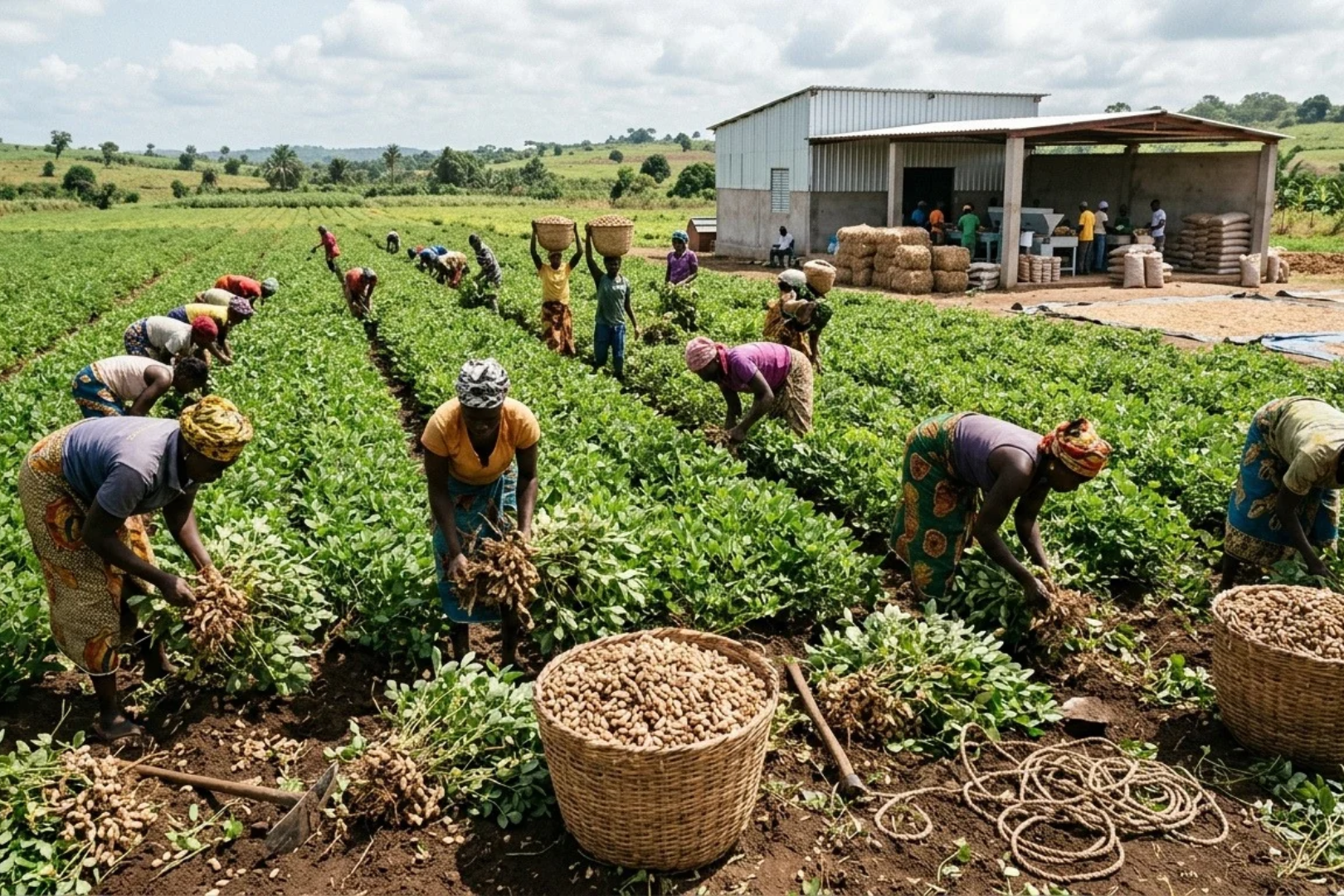
Final Thoughts: Developing Guinea-Bissau's Peanut Industry
As Guinea-Bissau is a poor country, labor costs are low, and all of these are satisfied. The current market also shows promising results for Guinea-Bissau’s peanut farming, with a high success rate.
Despite challenges, solutions exist. For Guinea-Bissau’s peanuts, they can be processed in many ways, and this is an advanced step for adding value to byproducts. Also, the demand for peanuts is growing worldwide, and other reasons, such as government support, show the path to a profitable business. Moreover, two types of peanuts are generally grown here, which is also a positive sign. Overall, it’s the perfect opportunity for investors, especially those who want to invest in Africa’s agriculture sector, to consider Guinea-Bissau’s peanut industry.
FAQs
1: Why are peanuts important to Guinea-Bissau’s economy?
Peanuts have been an important export crop for decades. They are a primary source of nutrition and livelihood for rural communities, and they hold vital potential for rural farming and economic growth.
2: Which types of peanuts are grown in Guinea-Bissau?
Locally bred and native varieties that are well adapted to the tropical climate are grown in large quantities, while imports like Spanish and Valencia peanuts also have prospects.
3: What are the biggest challenges for peanut farmers in Guinea-Bissau?
Poor infrastructure, pest epidemics, low productivity, soil erosion, limited access to good seed, and limited finances are problems or challenges facing Guinea-Bissau peanut farmers.
4: How can investors respond to the issues in Guinea-Bissau’s peanut sector?
By providing enhanced farming techniques, drought-proof seeds, improved storage, building cooperatives, provision of microfinance facilities, and installing investment value-added peanut processing factories.
5: What items can be grown using peanuts in Guinea-Bissau?
Products like peanut oil, butter, flour, roasted snack foods, boiled peanuts, confectioneries, and even peanut milk and soup offer diverse revenue sources.
6: Are there government incentives for farmers in agriculture?
Yes, the government of Guinea-Bissau and external donors are particularly promoting agro-food diversification and offering incentives to attract agribusiness investment.
7: How large is the export potential for peanuts from Guinea-Bissau?
There is good regional demand throughout West Africa and prospective buyers such as European nations, Portugal, and Spain, with profitable prospective exports.
8: Why is there a first-mover advantage in Guinea-Bissau’s peanut industry?
While peanut farmers have fewer structured investors than cashew farmers, this leaves room for early movers to establish regional and domestic markets and powerful brands.
9: What is the social effect generated through investment in peanut cultivation?
Investment in peanut cultivation can generate rural jobs, increase income, provide food security, and achieve corporate social responsibility (CSR) goals, thus contributing to the development of local communities.
10: Is peanut cultivation sustainable in Guinea-Bissau?
With abundant, cheap land and labor, high market demand for peanut products, and available donor capital, Guinea-Bissau’s peanut farming is advantageous with proper planning and value addition.
0 Comments