
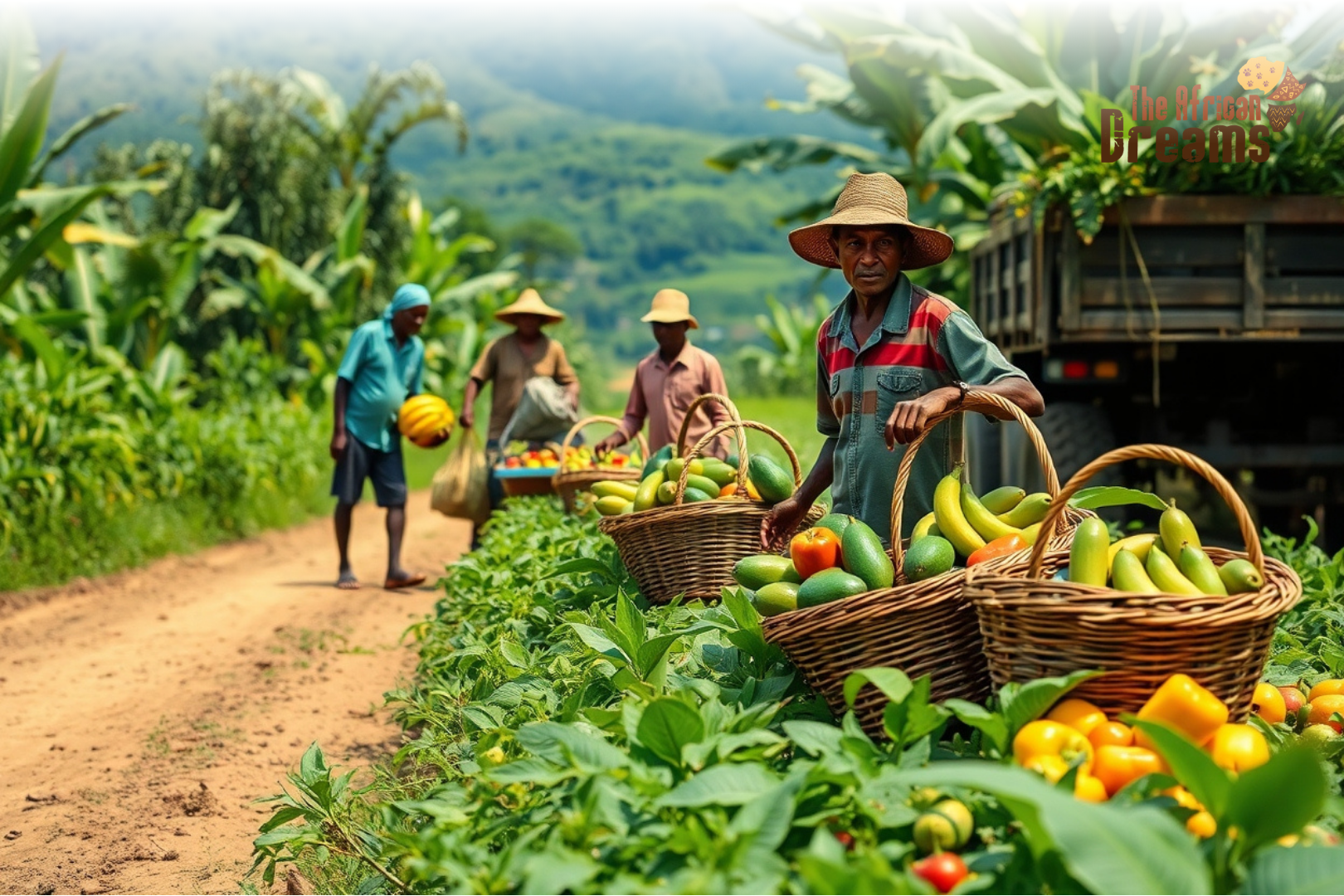
Uganda’s Fresh Produce: A Country Self-sufficient in Producing Food
Uganda is largely self-sufficient in producing food. It produces more food than it needs to feed the people. The fertile land, favourable climate, and a young workforce are leading the country towards food security. However, embracing the concept of becoming a global supplier of fresh produce is no easy task to complete. Despite the odds, the backbone of the cherished dream to become a global supplier is achievable. Uganda’s fresh produce continues to supply local communities and is intended to serve global consumers as well.
It is known that Uganda has high potential, and the country has been calling on investors to invest and produce more goods. As President Museveni said,
“Chinese companies are investing and producing products that are sold in Uganda, within Africa, and to third parties. But the British are not using their opportunity.”
He encouraged the British government and UK companies to invest in Uganda and help increase fruit and vegetable production. In this article, we’ll cover the details of how Uganda’s fresh produce can reach its goal. Let’s find out.
Article Highlights
Uganda is the second largest producer of fresh fruits and vegetables in sub-Saharan Africa.
There are a few seatbacks in sourcing the export market; the internal factors affect the most.
European countries, the USA, Japan, etc., are in high demand for Uganda’s fresh produce, such as fresh foods from Uganda.
Uganda’s Fresh Produce: From Local Fields to Global Markets
Vegetables and fruits are the major crops produced all over Uganda, in almost every district. In 2022, the country produced a whopping 1.36 million tonnes of vegetables.
Most of Uganda’s fresh produced foods come from the local smallholders, and they sell in the local markets. A large portion of the produced goods is sold in the open market, and the rest goes to the local export companies to send them overseas.
The processing companies and intermediary bodies are in charge of taking the local foods to supply them to the global markets. With a few exceptions, some specific fruits and vegetables need a specific type of processing.
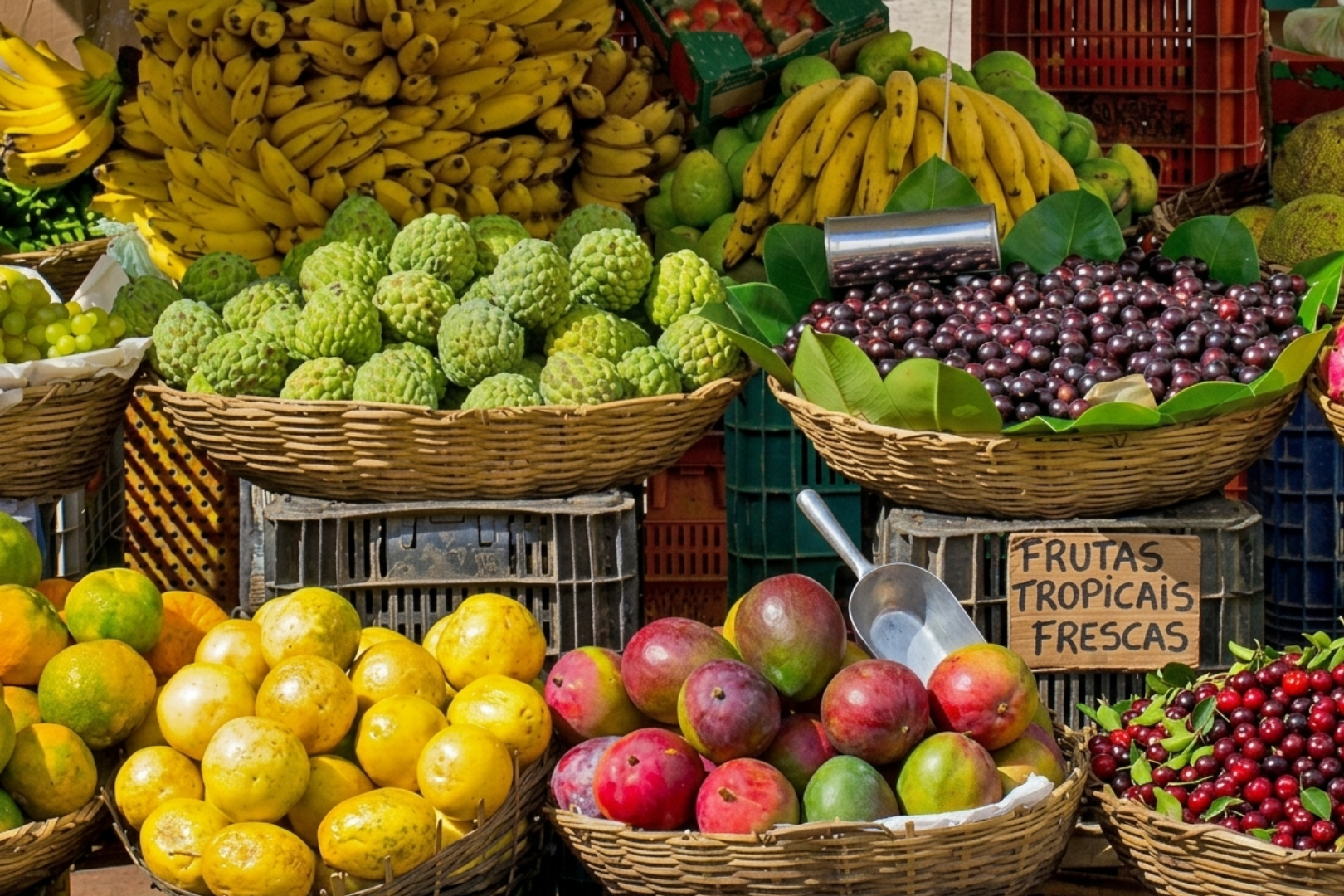
Current Market of Uganda’s Fresh Produce
Uganda’s export market is dominated by the East African Community (EAC). Accounting for a share of 35.7% of all exports, the amount of trade keeps increasing each year.
Uganda made spectacular progress in FY 2019-2021 despite the disturbance caused by the global pandemic. In 2022, there was a decline in the graph, and its share in the GDP also experienced a downfall, but the country is again wrapping up the odds to fight back and win the challenges that Uganda’s fresh produce faces.
In May 2024, the average value of exports reached an all-time high of USD 940.93 million, pointing to a great comeback in the global market. As the economy is projected to grow by 7% in 2025, the contribution of exports is going to bloom in full.
Market Leaders
KK Fresh Foods is one of the leading food exporters from Uganda. The company is focused on exporting fresh vegetables and fruits to the European market. Sourcing the products from thousands of smallholder farmers in central and western Uganda, the company primarily supplies fresh chillies, hot pepper, bananas, okra, eggplants, and ground nuts.
Divine Coffee Exports is another company bringing a lot of export money to Uganda. Its main product is Arabic coffee, and export markets include Europe, Asia, America, Australia, and the Middle East.
But to mention a few fruit and vegetable exporters, Altus Foods, Tropical Dynasty, Jay Fortune, Dilocs, Amfri Farms, and Nile Fresh Produce are the ones topping the table. These companies are highly reputed in the global fresh food and vegetables market and generate a huge sum for the country’s economy.
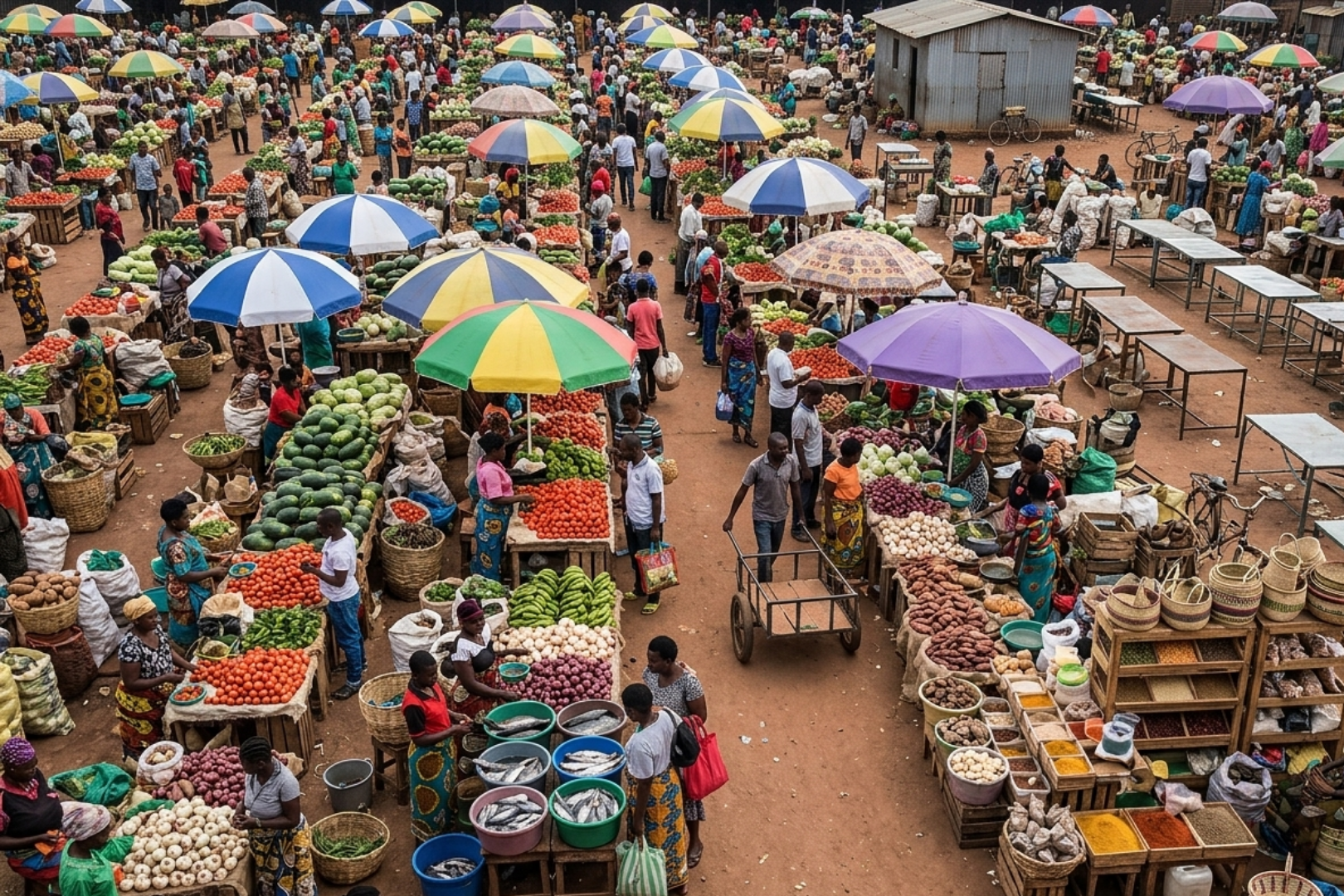
Uganda’s Fresh Produce: Blockers to the Global Supply
Uganda’s fresh produced foods have a massive market waiting to welcome them. The European markets are in high demand for fresh foods and vegetables, and can be a potential source of Uganda’s foreign exchange and earnings.
One of the major problems for Ugandan products is that they’re cultivated by subsistence farming. It means the farmers grow only for their use, a 40% of the total population works this way.
Though Uganda is experiencing an increased number of exports, the rise is very marginal in terms of its competitors. The export market is affected severely because of a weak value chain.
Factors affecting this value chain include:
- Lack of cold storage facilities
- Transportation and poor road connection
- Quality and certification
- Climate Change
The interim bodies earn a lot in comparison with the farmers. For example, banana farmers earn only 0.9 % of the share of market value. The rest goes to the pockets of the processing companies. As the share is very low, farmers are less interested in export-oriented farming.
Non-compliance with the international standards is another factor affecting the export market of Uganda. The European and other overseas markets have requirements ranging from land preparation to crop yields. Without meeting those standards, the export is not going to take the desired shape.
There’s no monitoring system for the use of chemicals in food and vegetables. Thus, it is also a consideration factor in terms of supplying fresh produce to the global markets.
Overcoming the Challenges: The Supply Chain Revolution
Most of the Ugandan farmers earn a marginal amount. But they can increase their earnings a lot by getting engaged in short food supply chains. Direct collaboration with the buyers will quash the share of the processing companies and increase the overall benefit of the farmers.
But there must be specific products as well to wash out the middlemen. Higher valued products can work this out, for example, avocados, and shea nuts.
Avocado can make a huge difference in earning a larger portion of market value as it requires fewer intermediaries. Farmers can earn as much as 28.6% of the total market value, while common foods like bananas and mangoes don’t provide much.
Maintaining transparency and traceability can help overcome the hurdles faced by the farmers. There are digital tools to help the farmers out. One such technology is phy2app, a digital tool for transparent communication. It helps both the buyers and the farmers by providing relevant data to source their buyers and sellers.
A cooperative society among the farmers can also fill the gap of non-compliance with international standards. Government and third-party organizations can work here with the farmers to mitigate the problems with certifications. With proper training and facilities, the country can reach the desired step of becoming a global tycoon to supply Uganda’s fresh produce.
For the investors interested in farming business in Uganda, the much-needed strategy is to maintain the balance of providing a proper share of the earnings.
Besides, sharing the latest technologies and training with the contracted sellers can also be a perfect option to take. If anyone has an ambitious dream to work in the fruits and vegetables sector (or, in the whole of agriculture), the organization, company, person, or group can make the farmers yield more crops.
Final Thoughts: Bright Future for Uganda’s Fresh Produce
Uganda’s fresh produce is an important part of its agricultural system. The section ensures the food supply of the communities and also contributes to the economy. With farmers actively supporting the segment, supportive government policies, and public-private collaboration, Uganda’s fresh produce will continue to serve in the market.
Despite challenges, there are strategies and initiatives that have been taken so that Uganda’s fresh produce can reach its full potential with maximum outcomes.
The only step in keeping products out is sourcing the buyers and the potential markets. But for considerable companies that have plans in their minds, they have access to that market as well.
So what are you waiting for? Without thinking of double-sided plans, you can start your dream project in Uganda.
To learn more about farming in Uganda, you can also read How to Start Organic Farming in Uganda





0 Comments