
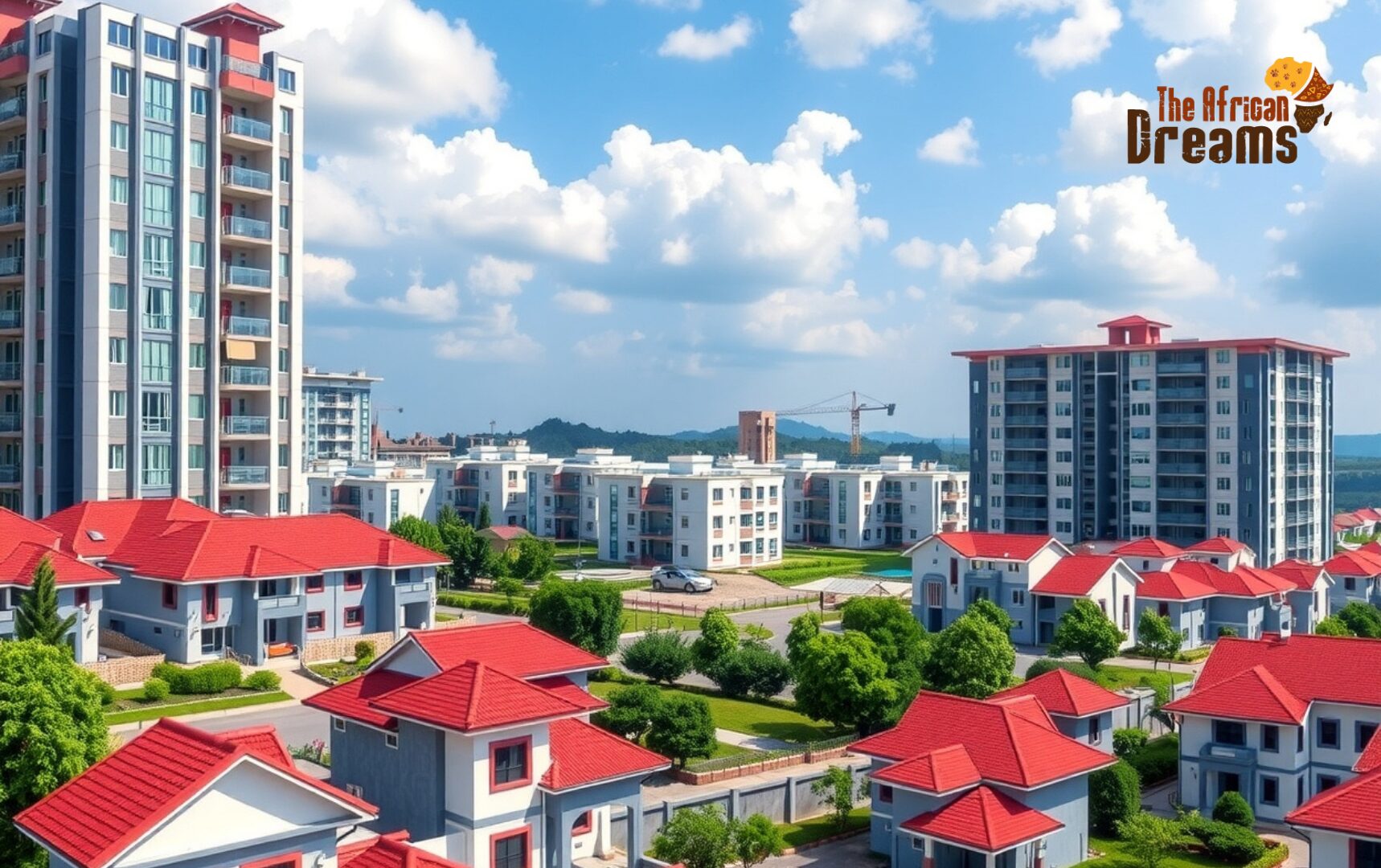
Overview of Kenya’s Real Estate Market
Kenya’s real estate sector is one of the fastest-growing markets in Africa, driven by several critical factors. The industry contributes significantly to the country’s Gross Domestic Product (GDP), accounting for about 8.3% in recent years. Kenya’s robust population growth and rapid urbanization have created an ever-increasing demand for housing, office spaces, and commercial buildings. Cities like Nairobi, Mombasa, and Kisumu are at the forefront of this expansion, attracting local and international investors.
A key growth driver is the government’s “Big Four Agenda,” which emphasizes the development of affordable housing, healthcare, manufacturing, and food security. Through this initiative, the government aims to build at least 500,000 affordable homes by 2022, a target that has stimulated real estate investments.
In addition, Kenya’s strategic location as a gateway to East Africa has attracted foreign direct investment (FDI) in the real estate sector, particularly in commercial real estate. With increasing infrastructure projects like the Standard Gauge Railway (SGR) and improvements in roads and energy, the outlook for real estate investment remains positive. This combination of economic growth and infrastructure development continues to position Kenya as a leading real estate market in the region.
In this article, you will learn about the types of real estate investments possible in Kenya, the investment techniques, and how to reap the profits of this growing industry.
Residential Properties: High Demand and Returns
The demand for residential properties in Kenya has surged, driven by urbanization and a growing middle class. Cities like Nairobi, Mombasa, and Kisumu are witnessing rapid migration, with people moving to urban centers in search of better opportunities. This trend has created an urgent need for housing, from affordable homes for lower-income families to high-end residential developments for wealthier buyers.
Investors in residential real estate can expect significant returns, particularly in prime locations. In areas like Westlands, Kilimani, and Karen, rental yields range from 8% to 15%, making these zones highly attractive for long-term investors and developers. Beyond high-end markets, there is also immense potential in the affordable housing segment. The government’s Affordable Housing Program, part of the Big Four Agenda, offers developers incentives such as tax breaks and subsidized financing to build homes for middle-income earners.
Additionally, real estate developers focus on apartment complexes and gated communities to cater to the middle class. These projects are popular due to their amenities and security features and because they align with Kenya’s growing preference for urban living. With continued population growth, the residential sector remains a crucial area for investment.
Commercial and Industrial Real Estate: A Thriving Business Hub
Kenya’s commercial real estate sector is rapidly expanding, with Nairobi emerging as East Africa’s business and financial hub. The demand for office spaces, retail complexes, and hotels continues to grow as multinational corporations and local businesses set up operations in critical areas such as Westlands and Upper Hill. Commercial real estate investments in these regions often provide long-term rental contracts, making them a stable source of income for investors. Rental yields in prime office locations can range from 8% to 10%, offering attractive returns.
The industrial real estate market is also rising, driven by Kenya’s expanding e-commerce sector. Warehousing and logistics hubs are in high demand, particularly in strategic locations like the Mombasa-Nairobi Highway. These hubs support the country’s growing supply chain needs, fueled by domestic businesses and international trade. Investors are increasingly focusing on industrial parks and logistics centers, which offer stable rental incomes and are resilient even during economic downturns.
As Kenya modernizes its infrastructure, including the Standard Gauge Railway (SGR) and major road projects, industrial real estate near these transportation corridors is becoming even more lucrative. For investors, this market segment presents a combination of high returns and long-term growth potential.
Land Investments and Affordable Housing: Untapped Potential
Land investments in Kenya are one of the most secure and profitable avenues for investors. As urban centers like Nairobi and Mombasa expand, demand for land in the outskirts has skyrocketed. Areas such as Ruiru, Athi River, and Kiambu have experienced significant land appreciation, with prices increasing by up to 20% annually in some cases. Investors can purchase land and hold it for future resale, benefiting from its increasing value, or develop it into residential or commercial properties.
The government’s focus on affordable housing also opens up significant investment opportunities. Under the Affordable Housing Program, part of the Big Four Agenda, the government aims to construct over 500,000 affordable homes to address the housing shortage. Developers participating in this initiative benefit from tax breaks, lower import duties on construction materials, and access to government-backed financing. Public-Private Partnerships (PPPs) have also been established to help drive these projects forward.
In addition to residential projects, land near infrastructure projects such as the Standard Gauge Railway (SGR) and major highways is becoming highly sought after. Investors strategically acquiring land in these areas can see substantial returns as infrastructure development increases accessibility and property values.
Trends Shaping Kenya’s Real Estate Future
Kenya’s real estate sector is evolving with new trends that present fresh opportunities for investors. One key emerging trend is the rise of green buildings and environmentally sustainable practices. With growing awareness of climate change and sustainability, developers increasingly incorporate eco-friendly technologies, such as solar power and water-saving systems, into their projects. These green buildings appeal to environmentally conscious buyers and tenants, particularly in urban areas, and contribute to long-term energy savings, making them highly attractive to investors.
Mixed-use developments, which combine residential, commercial, and recreational spaces in a single location, are also gaining momentum in Kenya. These developments offer diversified income streams for investors, as they can generate revenue from residential tenants and commercial leases. Examples include Two Rivers Mall and Tatu City, which have transformed people’s lives and work by creating self-sufficient communities with shops, offices, and housing nearby.
In addition, the shift towards co-working and co-living spaces is another trend driven by changing work dynamics, especially among younger populations who seek flexibility and shared spaces. These developments align with global trends, positioning Kenya as a forward-thinking market ready for innovative real estate investments.



0 Comments