
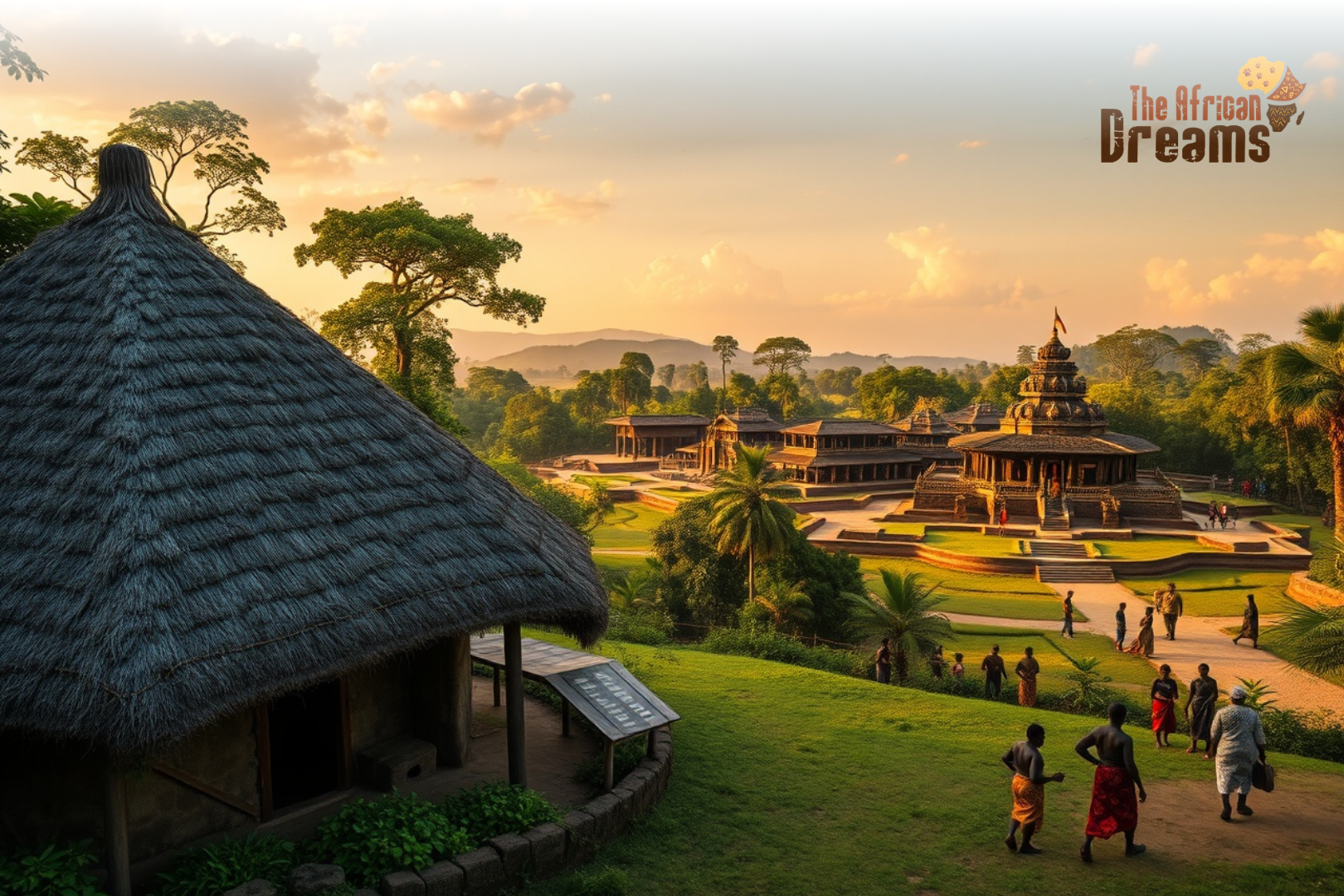
Introduction: Historical Places in Uganda
Uganda has a vibrant history and culture developed throughout time immemorial. As the wheel of time continues to rotate, the vibrance leaves more amazement for the visitors. The rich culture and heritage are one of the key pillars for the boom in its tourism sector. This article will take you through the historical places in Uganda and give you a detailed picture of the jewels it holds within.
Take, for example, the royal Regalia, which is a symbol of power and authority. The Buganda, Bunyoro, and Toro kingdoms all used Regalia. Each one was unique and different from the other. The Bunyoro kingdom stands as a gem. They built tarmac roads that accessed the whole region like a snake moving through the jungle. Let’s dive into the history and the historical places in Uganda that signify its traditional allure.
Article Highlights
Historical places in Uganda, like Uganda’s royal tombs and palaces, share stories about old kingdoms and their traditions.
Special places like the Uganda Martyrs Shrine uphold the country’s strong beliefs and respect for the martyrs.
The Arts and Crafts Village and the Uganda Museum let you explore Uganda’s traditions and crafts.
Old buildings and independence landmarks are the heart of Uganda’s past and its journey.
History Unfolds: A List of the Top Places to Visit in Uganda
Uganda boasts a rich history. The blend of culture, kingdoms, and royal places is folded with a mystery that people know so little about. Here’s a list of historical places in Uganda:
Kingdoms and Royal Historical Sites
Uganda had many kingdoms in ancient times, and there are multiple royal historical sites. The royal sites bring Uganda’s rich monarchical heritage. Visitors still come to enjoy the rich culture that has left a significant mark on the country’s history.
Thus, these royal sites present a unique opportunity to invest in tourism infrastructure, cultural preservation, and tribal growth by leveraging the sector. Investment in these areas will change the shape of the industry’s face and bring a heavy return. Apart from experiencing the rich wildlife, cultural tourism also holds potential for possible investments.
1. The Kasubi Tombs: They serve as a royal legacy in the country. The tombs cover 27 hectares of the Kasubi hillside and date back to the 1800s when they became the royal burial grounds of monarchs.
2. Bunyoro-Kitara Kingdom’s Karuziika Palace: The palace provides a strong insight into the kingdom’s rich past. It proved the kingdom’s development into a thriving business center. The palace’s Nyamyarro museum displays the king’s 1000-year-old traditional throne.
The Mparo Royal Tombs is where the Bunyoro kings rest now. Omukama Chwa II Kabalega, known for his valiant resilience against colonial rule, also resides here.
3. The Tooro Kingdom: It separated from Bunyoro-Kitara when Prince Kaboyo Olimi claimed his territory. King Rukirabasaija Oyo leads the kingdom’s cultural preservation efforts now. The Karuzika palace overlooks Fort Portal Town like a guardian. It symbolizes Toro’s independence and cultural identity.
4. The Lubiri Palace: It stands out for the stories about its glory and darkness. The palace has four gates. The Wankaci gate was only accessible to royalty. When Idi Amin was in rule, some sections became torture chambers. To this day, people visit and pray for their departed souls here. This diversity can drive investment in heritage tourism.
The royal sites in Uganda have distinctive features that separate them from other tourist destinations. These are traditional architecture built with spear grass and wooden poles, unlike any other places in the world.
Visitors can enjoy activities like cultural ceremonies, view royal and historical artifacts, and explore the burial grounds of pilgrims. Local guides help tourists by sharing in-depth insights, adding more value to the visit to these historical places in Uganda.
Religious sites
Religious sites in Uganda offer a closer look at the country’s diverse beliefs. However, these sites are also a strong indicator of religious tourism. The diversity of these sites offers exceptional tourism opportunities. Investment in these areas offers a potential for tourism-driven economic growth and community engagement.
1. Namugongo Martyrs’ Basilica: This serves as a significant religious testament to the first Christian believers and converts. It has a remarkable basilica with 22 copper pillars, each reaching over 100 feet. It was constructed between 1967 and 1975.
The shrine has a zone that can accommodate 1000 worshippers in a circular seating layout. The pavilion looks similar to a boat, and more than 300 priests can sit there during ceremonies.
2. Islamic Monuments: Uganda also has mosques and other Islamic monuments. These were built when the country was under colonial rule. The Uganda National Mosque is the largest in East Africa. It used to be called the Gaddafi National Mosque. The main hall can house 15000 worshippers during Salah. Idi Amin began construction in 1972 on more than 10 acres of land.
3. The Bahai Temple: It is another magnificent piece of work. It is Africa’s only Baha’i Mother Temple. It has a dome-shaped structure with nine huge columns. The arched roof is built with Italian mosaic tiles. The wall panels are German-crafted colored glass with massive Mvule doors.
4. Bishop Hannington Memorial Site: Located in the Mayuge district, the Bishop Hannington Memorial Site stretches over 220 acres. This sacred ground honors the first Anglican British Missionary and his 48 African helpers. They sacrificed their lives in 1885 for the mission. Paimol Martyrs Shrine in the North-West region pays tribute to two Young Acholi Catechists. They also died as martyrs while spreading Christianity.
According to the Uganda Bureau of Statistics (UBOS), the country received around 1.6M international visitors in 2022. As a wildlife sanctuary, Uganda receives about 70-75% of total tourism revenues from the wildlife and adventure tourism sectors. The rest come from the cultural sector.
Heritage Centers of Culture
Uganda prides itself on a rich cultural portfolio. The country’s many tribes and ethnicities bring all sorts of different cultural events.
1. The Arts and Crafts Village: It’s located behind the National Theater in Kampala and is the heart of Uganda’s craft scene. Local artisans show traditional crafts like wood carvings, clothing, decorative items, beadwork, jewelry, and handmade furniture.
2. The Friday Craft Market: This market sits along Nsambya’s Ggaba Road. Visitors can meet artisans directly instead of resellers. These artisans showcase their family crafts passed down from generation to generation. Craftsmen create unique pieces from tree barks, gourds, and snail shells.
3. Festivals: Uganda’s cultural energy is booming, thanks to the variety of festivals. The Kampala International Theater Festival features traditional age-old performances. The Nambere Festival in the Teso sub-region also has traditional dance, cultural attire, and local cuisine.
4. The Uganda Museum: Leading the cultural institutions, visitors can play instruments from its remarkable collection. The country’s first Uganda Railway Museum tells the story of railways and how vital a role they played in nation-building.
Government Buildings and Administrative Landmarks
Uganda has been part of multiple kingdoms and colonizations. Thus, it received diverse architectural touches. The Buganda Kingdom used the Bulange Parliament House as its main administrative office.
The colonial government buildings around the country display the impact of colonial governance. The Uganda National Records Center and Archives now preserve the documentary heritage. These records were once kept in the basement of a former colonial building in Entebbe.
Eastern Uganda also has the Lukhobo Administrative Block, a council hall for the Bukedi and Bugisu districts of the colonial government. Following independence, Uganda started building arches and monuments like its African counterparts. The Independence Arch in Uganda was designed by Gregory Maloba. It has the Obote Medallion and acts as the entrance to the parliament grounds.
These sites, architectural wonders, and overall historical places in Uganda are also a big part of cultural tourism. Investing in the preservation of these sites is another great opportunity.
Final Thoughts: Promoting Historical Places in Uganda
Historical places in Uganda tell amazing stories from the past. These places are rich with the country’s history and traditions. As Uganda’s infrastructural and spiritual development left many wonders, they can be utilized as a driving sector for cultural tourism.
The uniqueness of its fabric is a perfect example of receiving benefits from cultural tourism. Exploring this side of tourism will not only protect heritage but also boost the economy.
The nation’s artifacts, instruments, and political landscape all come alive through these landmarks and monuments. These landmarks hold their living heritage. Besides, these historical places in Uganda opened ample business opportunities for investors.



0 Comments