
Introduction: Mount Kilimanjaro
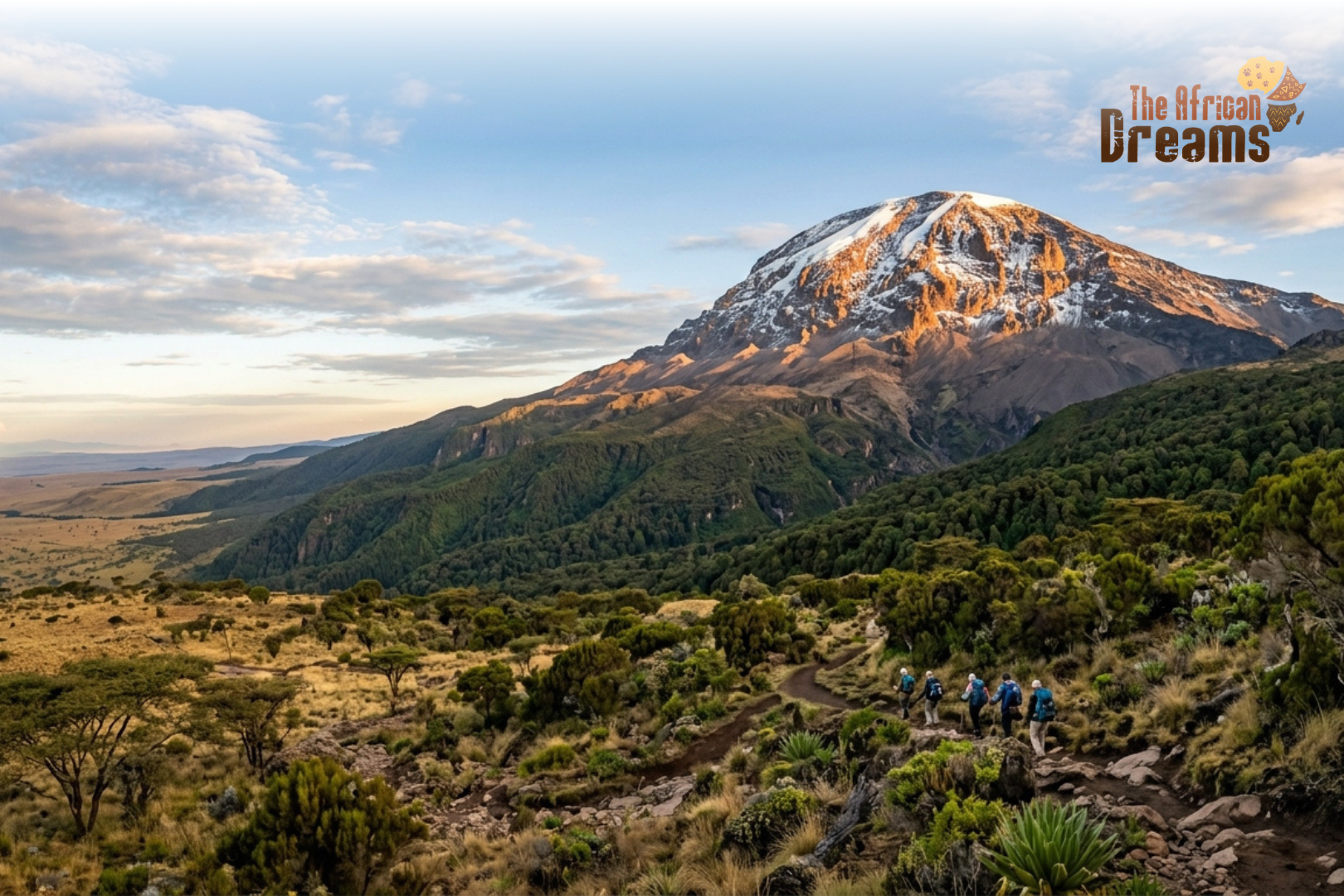
Africa’s tallest mountain, Mount Kilimanjaro, is located in northeastern Tanzania and rises about 5,895 meters (19,341 feet) above sea level. Its white-topped summit contrasts starkly with the surrounding sun-drenched plains, symbolizing resilience and awe-inspiring beauty and drawing adventurers and nature lovers alike.
The charm of Mount Kilimanjaro lies less in its good looks than in its sheer diversity. From the thick, misty rainforests of chattering monkeys and birds of all colors to the barren, haunted alpine desert beyond, each altitude uncovers another chapter in the novel of life against odds.
This article describes Mount Kilimanjaro in detail, including its stunning geography, diverse ecosystems, and major impact on neighboring communities and the global tourism industry. From its awe-inspiring glaciers and volcanic rock formations to the thriving business opportunities in the area, Mount Kilimanjaro remains a magnet for adventurers, nature lovers, and business owners alike.
Article Highlights:
Geography & Landmarks: Mount Kilimanjaro is the highest mountain in Africa. It has diverse ecological niches, glaciers, and volcanoes.
Ecological Diversity: The ecological grades of the mountain range range from alpine desert to rainforest, with their accompanying wildlife and plants.
Climbing Routes: Trekking routes are appropriate for all ability levels, from easy trails to challenging ascents.
Economic Impact: Tourism in Mount Kilimanjaro benefits the region economically, from climbing agencies to hotels to agriculture.
Cultural Experience: Visitors can see the vibrant culture of the Chagga people who live on the mountain.
Geographical Factors:
Mount Kilimanjaro is situated in Tanzania, near the Kenyan frontier. It is a dormant stratovolcano with three volcanic cones—Kibo, Mawenzi, and Shira. The mountain is divided into different ecological zones, each with its unique environment, such as
1. Rainforest: Found at lower elevations and full of plants.
2. Heath and Moorland Zone: Characterized by heathers and giant lobelias
3. Alpine Desert Zone: Characterized by arid, rocky ground.
4. Arctic Area: Near the top, snow and glaciers might be discovered.
Natural features of Mount Kilimanjaro:
Glaciers and Snow-Capped Peaks: Mount Kilimanjaro is known for its glaciers, especially on Kibo’s summit crater. The last tropical glaciers on Earth are the Furtwangler Glacier and the Rebmann Glacier, iconic mountain features. Yet these glaciers are shrinking rapidly due to climate change, and scientists predict that by 2050, they will have disappeared altogether.
One of Kilimanjaro’s most striking and surreal experiences is seeing snow at the equator, which stands out in sharp relief against the surrounding savannah plains.
Features of Volcanic Nature:
1. Shira is currently the oldest of Kilimanjaro’s three cones. It offers breathtaking vistas, unusual flora, and a view of the volcano’s past.
2. Along with an inner cone, Ash Pit, and several glaciers, Kibo Crater—the summit crater of Kibo—is a vast caldera. Climbers and scientists alike find this geological trait fascinating.
3. Mawenzi is a harsh, serrated cone with bold cliffs and crests and the second-highest summit. Technical climbers love to visit it.
Distinct plants: The mountain’s alpine ecosystems are home to plants like Groundsels (Dendrosenecio Kilimanjaro) and Deckenii lobelia, which are indeed found in the mountain’s alpine ecosystems, moorland, and health communities. On lower slopes, rich rainforests support vegetation diversity in orchids, ferns, and mosses. The forests also have a rich cover of medicinal plants, which the native Chagga people utilize.
Wildlife and Human Contact: The rainforest region’s lower altitudes support a range of bird species, including the Hartlaub’s turaco and the silvery-cheeked hornbill, blue monkeys, colobus monkeys, bush babies, and abundant other wildlife.
Although big mammals, including elephants, leopards, and buffaloes, are uncommon on the mountain, they can be seen in surrounding locations, such as Amboseli National Park in Kenya and Kilimanjaro National Park.
Living around Mount Kilimanjaro, the local Chagga people offer tours that expose visitors to their traditional ways of life, including agricultural techniques and customs.
Waterfalls and Rivers: These waterfalls are popular among visitors and are found on the side of Kilimanjaro. Cultural excursions abound in the region along with its coffee plantations. The mountain originates from many rivers, including the Pangani River, which sustains wild animals and local people. The mountain’s snowmelt and precipitation feed these waterways.
Beautiful Landscapes: One of the most stunning sights is the sunrise from Uhuru Peak. The golden light highlights the clouds and flatness below, a once-in-a-lifetime sight. On bright days, hikers can view the vast plains of Tanzania, the remote peaks of Mount Meru, and even the Indian Ocean from the top.
Things Designed for Visitors:
Mount Kilimanjaro is among the most sought-after climbing sites globally. For hikers of different experience levels, there are many paths available:
1. Marangu Path: It is the easiest and most famous, often called the “Coca-Cola Route.”
2. Machame Route: More challenging and scenic, known as the “Whiskey Route.”
3. Lemosho and Rongai Routes: Less crowded and more remote.
Why Mount Kilimanjaro is a Great Tourist Destination
Unlike other high mountains, Mount Kilimanjaro is accessible to a wide range of explorers because it does not require technical climbing expertise. From Kilimanjaro’s summit, you get breathtaking views of the terrain below and an unmatched atmosphere. Different routes suit different climbing styles, each offering a distinctive experience. As a major tourist destination, it offers many opportunities for business and investment.
Investment Opportunities Surrounding Mount Kilimanjaro
The Mount Kilimanjaro area has a thriving tourism industry, and millions of people visit the mountain annually
1. Entrepreneurs can create or run hotels, lodges, and guesthouses in high demand.
2. Tour services and climbing guides might be profitable, as there is a constant need for knowledgeable guides and climbing support.
3. Hospitality and Restaurants: Given the many visitors, restaurants, coffee shops, and small-scale food services are in great demand.
4. Rental of adventure gear: The growing enterprise has been renting climbing and trekking equipment since hikers arrived from all around.
5. One might create cultural events, like visits to nearby Chagga villages, enlightening travelers on the native way of life and customs.
Success Stories in Companies Associated With Mount Kilimanjaro
Many effective companies are starting up in the Kilimanjaro region. These businesses offer Kilimanjaro climbing trips, instruction, and guided outings. It has become one of the area’s best brands.
The rich soils surrounding Kilimanjaro make coffee an ideal crop. Local business people have seized upon the increasing need for organic coffee, and the Kilimanjaro coffee brand is now well-known worldwide.
Entrepreneurs concentrating on Chagga cultural tours have filled a gap by linking visitors with the area’s legacy and customs. These tours typically feature traditional markets, small towns, and coffee plantations.
Types of Businesses Around Mount Kilimanjaro
Mount Kilimanjaro, one of the most popular touring destinations in the world, has fostered the growth of businesses catering to trekkers, excursionists, and the local population. These businesses span different sectors, from tourism services to agriculture and retail, and they contribute significantly to the local economy.
1. Tourism and Adventure Tourism
Climbing Tour Operators: Thousands of excursionists attempt to climb Kilimanjaro annually, and the number of climbing tour operators has recently surged. More than 100 registered climbing tour operators offer guided treks to the peak. These businesses handle permits, transport, guides, and furnishing gear and porters.
Many major players have been doing profitable business here for a long time. such as –
Kilimanjaro Mountain Guides: An established company that provides reliable tours for guests.
Tusker Trail is another popular operator that offers luxury touring services with educated guides.
Revenue generation: Climbing tour operators generate significant income during peak seasons, generally from January to March and June to October. The cost per trekker depends on the route and level of service provided.
2. Hotels and Lodges
Moshi and Arusha are the primary towns near Kilimanjaro, where excursionists stay before and after their climb. These places offer a wide range of lodging, including budget caravansaries,mid-range hotels, and luxury lodges. The number of hospices has been increasing as tourism to Mount Kilimanjaro has grown. Here, the crucial players are-
Kibo Palace Hotel in Moshi is a luxury option for excursionists.
Springlands Hotel is a popular budget-friendly option for pedestrians.
Hotels and lodges generate income when they witness peak bookings during the climbing season. With thousands of rovers and excursionists visiting every time, the hostel business around Kilimanjaro generates substantial income.
3. Transportation Services -Shuttle Services
With over 30,000 trekkers attempting to summit Kilimanjaro annually, demand for transportation services, including shuttles from Kilimanjaro International Airport (KIA) to Moshi, Arusha, and the mountain base, is high. These businesses provide essential transportation for trekkers and excursionists. Kilimanjaro Shuttle Service offers transportation between KIA and surrounding towns. Minibus drivers also provide shuttle services to and from climbing routes.
The shuttle service industry can generate millions of dollars annually. With consistent demand year-round, these companies can see substantial profit, especially during the peak tourist seasons.
4. Guides and janitors
Mount Kilimanjaro’s climbing experience relies heavily on the services of local guides and porters, who are essential in ensuring the safety and comfort of trekkers. The Tanzania National Parks Authority (TANAPA) estimates that touring companies operating on Kilimanjaro employ around 20,000 attendants and janitors annually. With thousands of climbing journeys each year, the combined income of guides and porters is substantial.
5. Agriculture and Local Products
Coffee: The rich, fertile soil around Mount Kilimanjaro is ideal for coffee cultivation, particularly Arabica coffee, which is well-known for its high quality. The Kilimanjaro region is one of Tanzania’s largest coffee-producing areas, and the business is integral to the local economy. Small-scale growers grow coffee locally or export it to meet international demand. Kilimanjaro Coffee brands sell locally produced coffee to tourists through global export earnings.
Kilimanjaro coffee alone has a growing transnational demand, contributing to import earnings. Local coffee cooperatives have successfully boosted farmer income, with some selling high-quality beans at prices ranging from $15 to $25 per kilogram. The industry also benefits from direct tourist deals, primarily through tours and tastings.
Other products—The rich land around Kilimanjaro also supports the cultivation of bananas, vegetables, and fruits. This agrarian activity sustains the original populations and provides food for tourism services.
Final Words: Exploring The Majesty of Mount Kilimanjaro
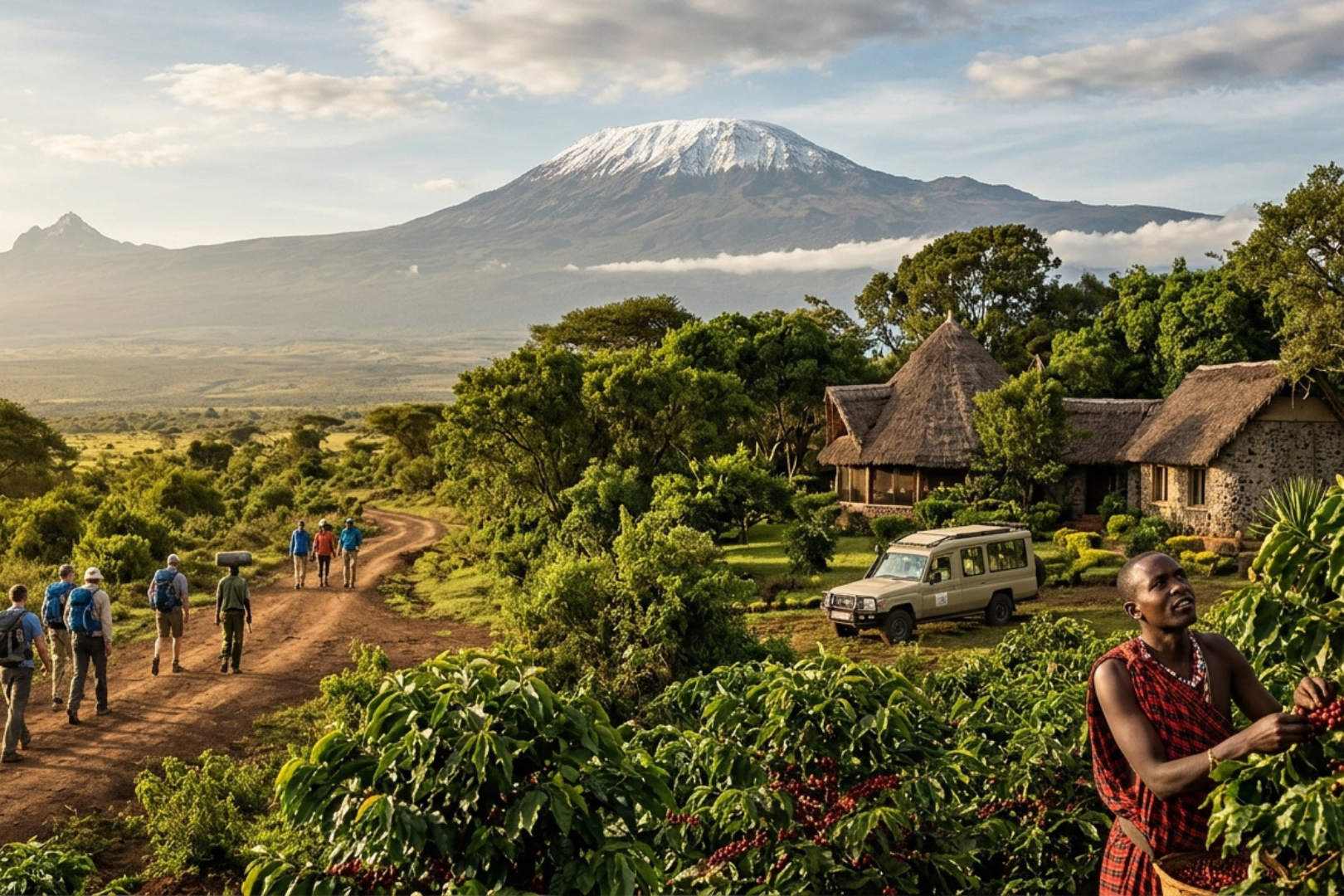
Mount Kilimanjaro is the world’s best-known natural landmark. It offers breathtaking vistas and a rare blend of ecological diversity and cultural variety. From its white-capped peak to the varied ecosystems ranging from tropical rainforests to barren alpine deserts, Kilimanjaro calls to thrill-seekers and nature enthusiasts alike. Its climate-change-induced melting glaciers and challenging trekking routes continue to draw climbers from around the globe.
Beyond its natural wonders, Kilimanjaro is becoming an active economic center for local businesspeople, with locally based climbers’ tour operators, hotels, and farm produce such as world-renowned Kilimanjaro coffee. Rich culture, especially that of the Chagga people, also shapes the tourist experience.
FAQ:
1. Question: Where is Mount Kilimanjaro located?
Answer: Mount Kilimanjaro is in northeast Tanzania, near the Kenyan border.
2. Question: How high is Mount Kilimanjaro?
Answer: The mountain rises 5,895 meters (19,341 feet) above sea level, making it the highest point on the African continent.
3. Question: What are Mount Kilimanjaro’s main climbing routes?
Answer: The main climbing routes are the Marangu (Coca-Cola Route), Machame (Whiskey Route), Lemosho, and Rongai Routes.
4. Question: Is Mount Kilimanjaro accessible to anyone who wants to climb?
Answer: Yes, Mount Kilimanjaro is non-technical and can be climbed by many people, regardless of ability.
5. Question: What are Mount Kilimanjaro’s glaciers?
Answer: Kilimanjaro has several glaciers, including the Furtwängler Glacier and Rebmann Glacier, which are rapidly melting due to global warming.
6. Question: What is Mount Kilimanjaro’s wildlife?
Answer: Wildlife includes birds like Hartlaub’s turaco and monkeys, as well as occasional sightings of elephants, leopards, and buffalo in the surrounding areas.
7. Question: How does Kilimanjaro contribute to the local economy?
Answer: Kilimanjaro contributes to local businesses in tourism, agriculture (notably coffee), and services, including transport and guides.


0 Comments