

Introduction
The Democratic Republic of Congo (DRC) is a resource-rich nation in Central Africa. Its two largest cities, Kinshasa and Lubumbashi, are hubs of economic activity and cultural exchange.
In this article, we’ll dive into the captivating city life in Congo, exploring the must-see attractions, investment opportunities, and the reasons why these cities are drawing global attention.
Let’s start —
City Life in Congo: Expect the Unexpected
Congo’s cities, though often overshadowed by challenges, possess a raw energy and a spirit that surprises visitors. From busy markets to historical landmarks, these urban centers offer a glimpse into the country’s rich heritage.
The DRC has 33 cities across its 25 provinces. The capital of the DRC is Kinshasa. Lubumbashi is the capital of Katanga Province. So, if you go to Congo, these places should be on top of your priority list. Not just for tourists but also for investors, these cities offer the most of what Congo is renowned for.
But it is frustrating if you do not have the right guidance. Luckily we have almost everything you need to know before traveling or investing in these cities.
Everything You Need to Know About Kinshasa
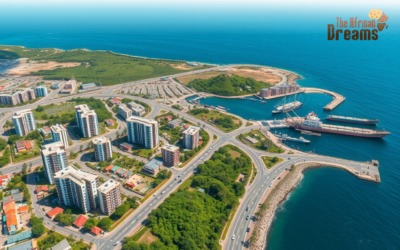
Kinshasa, the capital of the Democratic Republic of Congo, is a bustling metropolis with a rich history and a vibrant culture. Located on the Congo River, it’s one of Africa’s largest cities and a major economic and cultural hub.
Areas to Explore in Kinshasa
- Explore the Waterfront: The Congo River waterfront offers stunning views and a variety of activities, including boat tours and waterfront dining.
- Visit the Presidential Palace: A magnificent architectural landmark, the Presidential Palace is a symbol of the nation’s power and history.
- Discover the Martyrs’ Memorial: A poignant tribute to those who fought for Congo’s independence.
- Immerse Yourself in the Local Culture: Visit the vibrant markets, where you can experience the local culture, shop for souvenirs, and taste delicious street food.
- Explore the Kinshasa Museum: A cultural hub showcasing the country’s diverse heritage.
Everything You Need to Know About Lubumbashi
Lubumbashi, the capital of Katanga Province, is a major mining city and a gateway to the Democratic Republic of Congo’s mineral-rich region. Known as the “Copper Heart of Africa,” it’s a city with a unique blend of African and European influences.
Areas to Explore in Lubumbashi
- Explore the Lubumbashi Museum: Discover the history and culture of the region, including its rich mining heritage.
- Visit the Katanga Railway Museum: Explore the fascinating history of the region’s railway network, which played a vital role in the copper trade.
- Relax in the Parks and Gardens: Lubumbashi boasts several beautiful parks and gardens, perfect for a leisurely stroll or picnic.
- Experience the Local Markets: Immerse yourself in the local culture by exploring the vibrant markets, where you can find everything from fresh produce to handcrafted souvenirs
Practical Tips for Visiting These Cities
- Visa: Ensure you have a valid visa before traveling to the DRC.
- Currency: The Congolese Franc is the official currency.
- Language: French is the official language, but Lingala is widely spoken.
- Safety: Exercise caution, especially at night, and avoid isolated areas.
- Health: Consult a healthcare professional before your trip to get necessary vaccinations.
Why Are These Cities Famous?
Kinshasa and Lubumbashi are renowned for several reasons:
- Rich history and culture: Both cities have a deep-rooted history and a vibrant cultural scene.
- Economic significance: They are major economic hubs, driving the country’s growth.
- Natural beauty: Surrounded by stunning landscapes, these cities offer opportunities for outdoor activities.
- Friendly people: The Congolese people are known for their warm hospitality and welcoming nature.
Investor Insight: Why Are These Cities Lucrative for Investors?
1. Mining
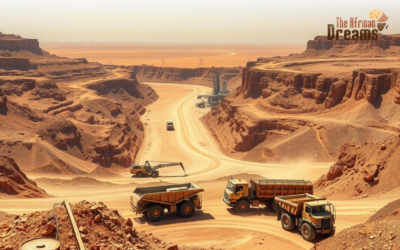
Mineral Wealth: The DRC is one of the world’s leading producers of cobalt and copper. Other valuable minerals, such as gold, diamonds, and tin, are also extracted.
Investment Opportunities:
Mining Operations: Direct investment in mining operations, including exploration, extraction, and processing.
Mining Equipment and Services: Providing equipment, technology, and services to mining companies.
Mining Infrastructure: Investing in infrastructure projects such as roads, railways, and power plants to support mining activities.
2. Real Estate
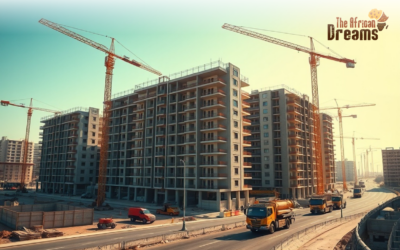
Urbanization: The rapid urbanization of cities like Kinshasa and Lubumbashi is driving demand for housing, commercial properties, and infrastructure.
Investment Opportunities:
Residential Real Estate: Developing residential properties, including apartments, houses, and gated communities.
Commercial Real Estate: Investing in commercial properties such as office buildings, shopping malls, and industrial warehouses.
Real Estate Development: Developing large-scale real estate projects, including mixed-use developments and urban renewal projects.
3. Infrastructure
Infrastructure Deficit: The DRC has a significant infrastructure deficit, particularly in transportation, energy, and telecommunications.
Investment Opportunities:
Transportation Infrastructure: Investing in roads, railways, ports, and airports.
Energy Infrastructure: Investing in power generation, transmission, and distribution projects.
Telecommunications Infrastructure: Investing in telecommunications networks, including mobile and fixed-line services.
4. Agriculture
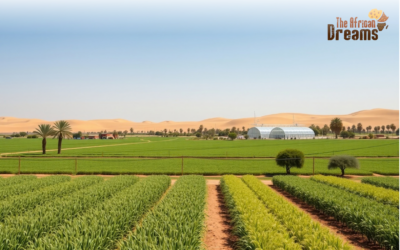
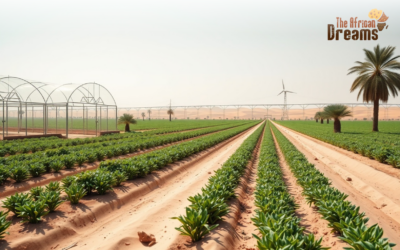
Fertile Land: The DRC possesses huge areas of fertile land suitable for agriculture.
Investment Opportunities:
Commercial Farming: Investing in large-scale commercial farming of crops such as palm oil, rubber, and coffee.
Agribusiness: Investing in agribusiness activities, including processing, packaging, and distribution of agricultural products.
5. Tourism
Natural Beauty: The DRC boasts stunning natural beauty, including rainforests, mountains, and wildlife.
Investment Opportunities:
Tourism Infrastructure: Investing in hotels, resorts, and other tourism facilities.
Tourism Services: Investing in tour operators, travel agencies, and other tourism-related services.
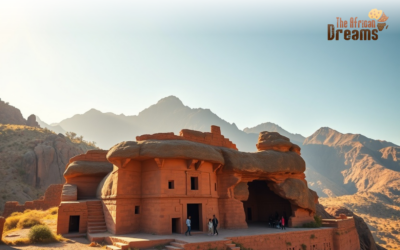
Cultural Tourism: Promoting cultural heritage sites and organizing cultural events.
Where and How Can Someone Invest in These Areas?
To invest in Congo, consider the following options:
- Direct investment: Establish a business or acquire existing businesses in the target sectors.
- Joint ventures: Partner with local companies to leverage their expertise and market knowledge.
- Real estate investment: Invest in commercial or residential properties.
- Stock market: Invest in companies listed on the Bourse du Commerce du Congo (BDC).
Conclusion
Kinshasa and Lubumbashi are two cities filled with adventure and opportunities. Whether you’re a traveler seeking adventure or an investor looking for opportunities, these cities have something to offer.
By understanding the city’s dynamics, exploring its attractions, and considering the investment potential, you can unlock the full potential of Congo.
FAQs
- Is it safe to travel to Congo?
While there are security concerns in some parts of the country, Kinshasa and Lubumbashi are generally safe for travelers. It’s advisable to stay informed about the latest travel advisories and take necessary precautions. - What is the best time to visit Congo?
The dry season, from May to October, is the best time to visit Congo. The weather is pleasant, and there’s less rainfall. - What is the currency of Congo?
The Congolese franc is the official currency of the Democratic Republic of Congo. - What language is spoken in Congo?
French is the official language, but many people also speak Lingala, Kikongo, and Tshiluba.
What are some popular Congolese dishes?
Some popular Congolese dishes include fufu, a starchy staple, and pondu, a type of fish stew.
0 Comments