
“Agriculture is the future to entertain a sustainable economy”, the statement would become true if we were in the 19th century or so. In this era of technology, there’s hardly anyone willing to make a future in agriculture. However, it is possible, in this very age of technology, to make a sustainable economy in this sector. If you want to know the “how”, well, let me give you a tour of Uganda, the Pearl of Africa.
Situated right at the heart of East Africa, Uganda possesses gigantic opportunities in agriculture. Not only to shape the country’s future, but the demand of the global market also plays a key role in crane up the population’s economic stability, eliminating the bar of poverty, and other related troubles like food security and employment.
But before considering agriculture as the country’s sustainable future, let’s explore the field and its impact on Uganda’s economy, with a close inspection of the current state.
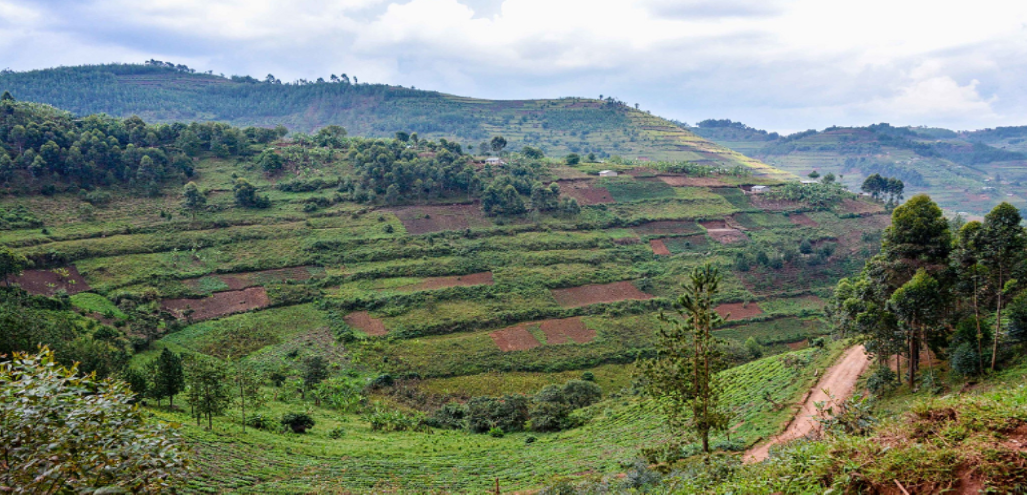
Article Highlights
- A brief look into the current agricultural sector in Uganda and the country’s effort to resolve the issues.
- Understand the market value and overview of the produced goods by focusing on a few selective products.
- Finding the challenges and opportunities, emphasis on the one that has greater value and potential.
- Reasons why the country is on the topic list and what lies within these opportunities.
The current agriculture market in Uganda
Uganda is currently running on a low volume in terms of Total Factor Productivity (TFP). The COVID-19 pandemic hit food production badly and reduced the overall growth. Besides, the population growth rate is around 3.3%, making it harder for the country to obtain goals. Despite these shortcomings, the country is running on the back of agriculture because the opportunities are bigger and better here.
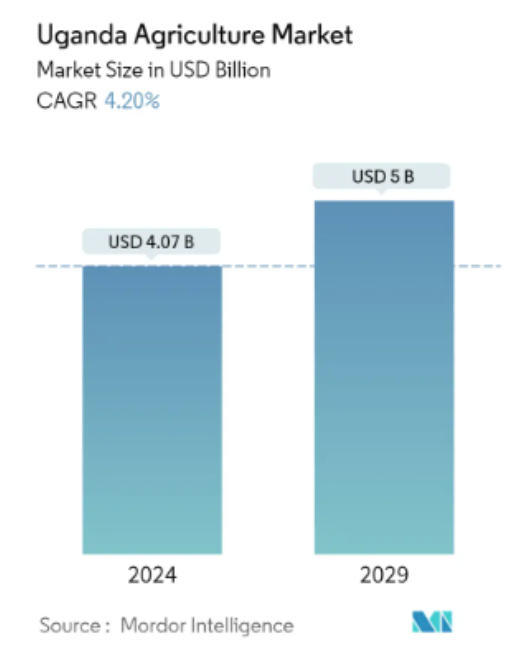
The total estimated value of the current agriculture market in Uganda is USD 4.07 billion and is expected to touch USD 5 billion by 2029, growing at a CAGR of 4.20%. Food and Agriculture Organization (FAO) considers the country as one of the best places as it can feed 200 million people. With a whopping 80% of arable land, agriculture solely accounted for about 24% of GDP and 35% of export earnings.
Though its effort to resolve food security and sustainable economic growth demands admiration, that doesn’t solve the problem. The current farming includes a wide range of agricultural products including coffee, tea, sugar, livestock, fish, edible oils, cotton, tobacco, plantains, corn, beans, cassava, sweet potatoes, millet, sorghum, and groundnuts.
Uganda: Challenges and Opportunities in Agriculture
The achievable growth is not far away, yet it needs refinement. As already mentioned, the country has a vast area of arable land but can produce only a marginal amount. And why is that?
The challenges
Well, the answer is quite simple when it comes to relating a continent that is running behind the modern and fast-paced world. Lack of knowledge in modern farming, incapacity in using the latest technology, poor sustainable land management, and climate-smart agriculture are the ropes pulling the country behind.
Besides all these, climate change, land erosion, poor infrastructure, market access for the farmers, and food insecurity are a few hitches for Uganda.
Opportunities
Opportunities are based on the possible market size in the future, government policies on investment and in-house farming, protection of the investors, capacity to adapt to future trends, the climate’s impact on agriculture, and other factors.
- Climate: Uganda’s 70% of employment is based on agriculture and other sectors that have a direct connection to the field. Uganda has a tropical climate, pleasant and warm with average temperatures ranging between 20°C and 25°C. Temperature fluctuation is little but from December to March, slightly warm weather is spotted. Rainfall ranges between 700 and 1,500 millimeters, making the country a prime place to focus on agriculture.
With less carbon in the air and fertile land all over, Africa is the best place currently to boost agricultural production. The continent is responsible for only 4% of global carbon emissions. Moreover, the soil here is volcanic, thus, fertile. Though Uganda is landlocked, the presence of rich water resources also made the country unbeatable in agricultural production.
- Motivated youths: Apart from the country’s favorable climate and a large number of willing youth to labor for agriculture, the opportunities lie in particular sectors as well. Just look at the tea and coffee sectors of Uganda, they both possess high value for the future.
- Future market: Uganda is a leading exporter and the second-highest producer of coffee but only manages to send 5.7% to the US market. However, the government plans to increase its current production of 402,000 tons of coffee to 1.2 million tons annually by 2025.
On the other hand, Uganda mostly exports semi-processed tea, valuing a total of $88.36 million. This is just the tip of the iceberg. With proper plans and investment, the tea sector can be fueled to grow as the largest in the continent, or maybe on the top rank in the globe.
While Uganda can be the dark horse in the African agriculture market, it lacks a little push from the investors. Investing in Uganda’s agriculture is sure to bring profitable returns if followed by a few concerns. However, we’ll not be dealing with that part here.
Uganda possesses a high potential in Agriculture
The strategic location of Uganda also is a key factor to consider as the country can be in the driving seat to take Africa’s economy to a whole new level. Another thing could be the current state of stability in the social and political premises. Besides, the country has a very welcoming gesture toward adopting investors, has no labor tensions, and has a set of infrastructure improving rapidly. Moreover, to deal with the legal boundaries, the country has Commercial and Industrial courts, dedicated to quickly resolving business disputes, indeed a protective shield for the investors.
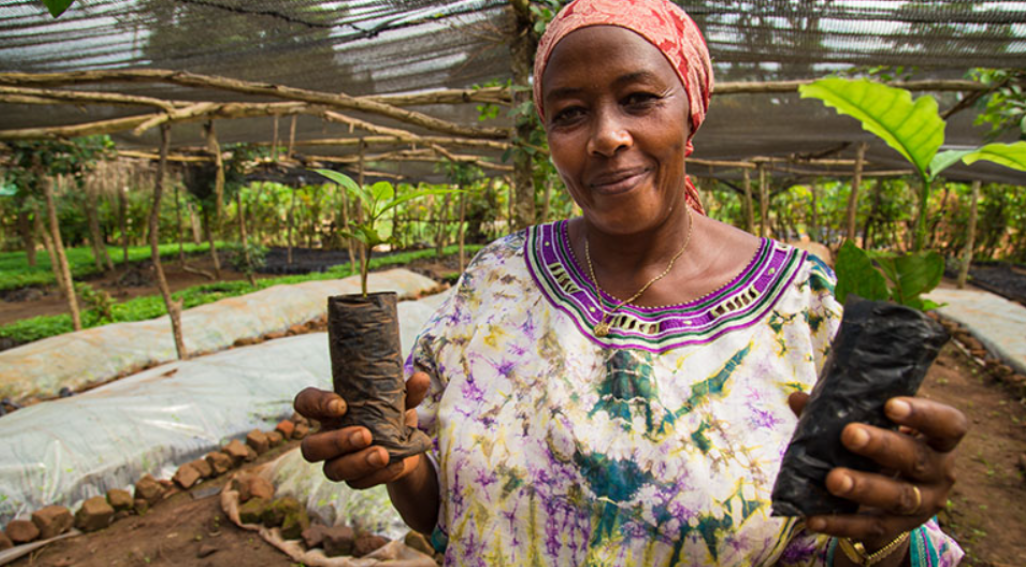
World Bank Economic Update for Uganda (UEU) proposed a few strategies to accelerate agriculture where the adoption of innovations and management of land and natural resources sit on top. The other factors include supporting the rapid transition towards higher productivity, prioritizing research and development, accessing knowledge for the farmers, strengthening the connection between the national and local organizations, etc.
Uganda’s future economy in the hands of agriculture: Case Studies
Case studies regarding agriculture and its market in Uganda brought some interesting stories as well.
Rayan Shadrack, a 23-year-old youth, is making a good amount by farming. While studying at Kyambogo University, he finished a course in Microfinance and crossed the idea of farming. He started with ginger at first with a piece of land as big as 1 acre in size. Just on the outskirts of Kampala, where the firm is located, it is now providing several products on its 14 acres of land. It includes livestock, fruits, and other mainstream products. With plans to increase production, Rayan is the face of Uganda’s current youth revolution towards food security.
Why agriculture is the future in Uganda
We explored the opportunities and challenges including the current state of agriculture in Uganda. The contribution of agriculture to the country’s GDP and housing 70% of the people in it directly points to the fact that agriculture is the future of economic sustainability.
Much like other African countries, Uganda has also widely experienced the horrors of war, coups, and revolutions. The beautiful landscape trembled through fear from time anonymous. However, the times are changing as the country is also healing itself. Thus, a new future is on the verge, peeking to rise as a mammoth in the African economy. As we explore the future of agriculture, it is never too late to try your luck with the greenery that lies throughout the whole of the country.






0 Comments