
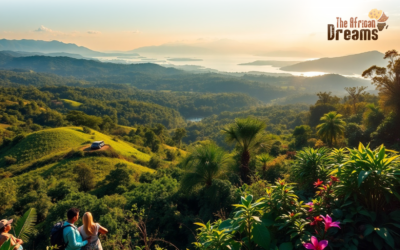
Do you need a change and are looking for a place that will make you feel refreshed? If adventure, tranquillity, and natural beauty are what you seek, Nyungwe Forest National Park in Rwanda is the perfect escape.
This incredible park is not just a destination—it’s a sanctuary for some of Africa’s most unique flora and fauna. Picture yourself walking along forest trails or seeing chimpanzees swing through the branches. Nyungwe offers a chance to connect with nature in thrilling ways.
But Nyungwe isn’t just about wildlife. It’s also a place where culture and nature meet. Surrounded by vibrant tea plantations and welcoming communities. The park invites you to experience Rwanda’s rich heritage. Whether you are a bird-watching enthusiast, a cultural site enthusiast, or a photographer, there is something unique to discover in Nyungwe.
Ready and pack your bags! As we have seen, there’s so much to do at Nyungwe Forest.
Why Nyungwe Forest National Park is Unique
- Diverse Primate Population: There are 13 types of primates and large numbers of Chimpanzees and Ruwenzori colobus monkeys. Some of which are in groups of up to 400.
- Rich Avian Biodiversity: Hosts over 300 bird species. With 26 endemic to the Albertine Rift, such as the Rwenzori turaco and handsome spurfowl.
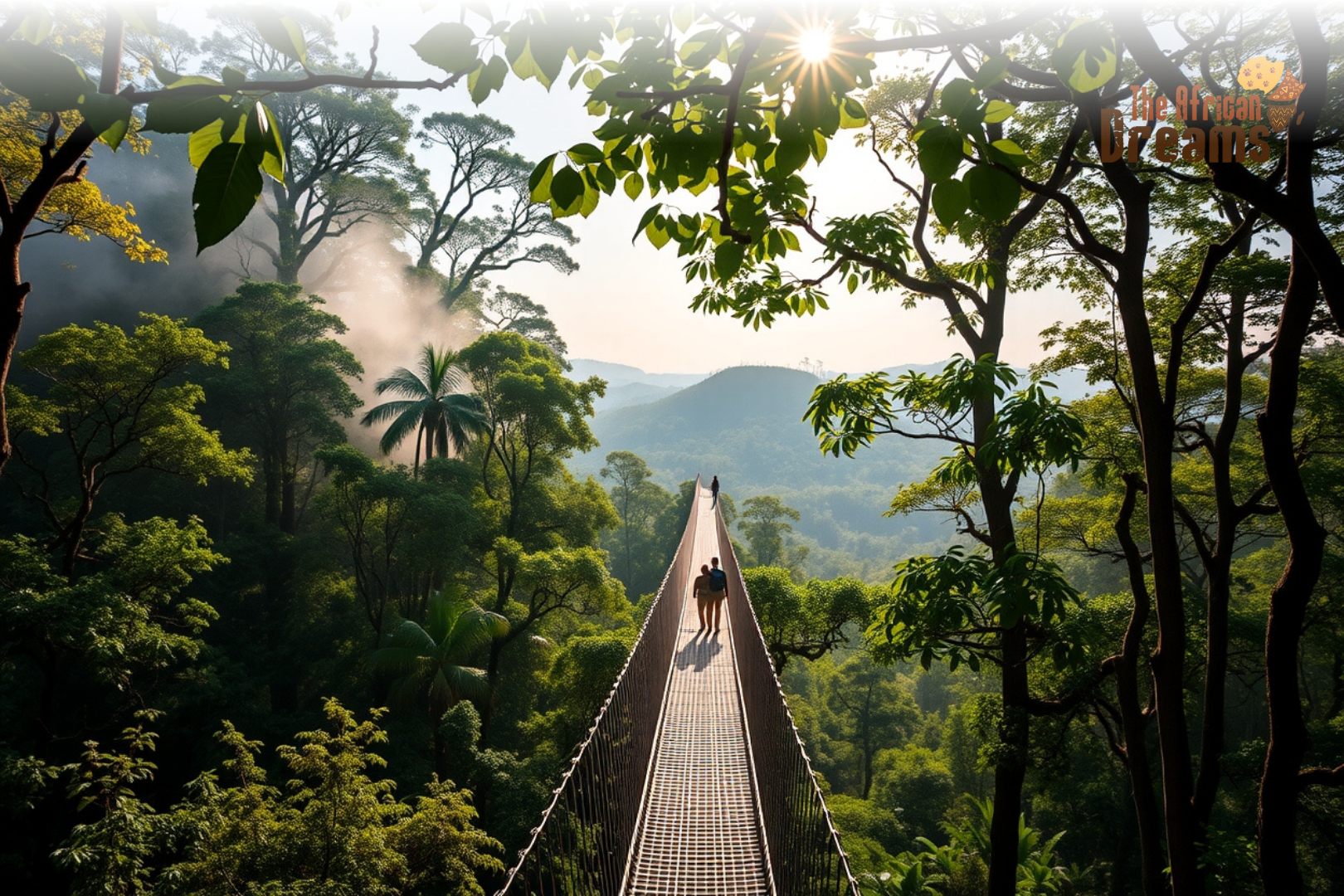
- Exclusive Canopy Walkway: This is the only canopy walk in East Africa and is 50m high for the view of the forest floor.
- Extensive Hiking Trails: More than 130 km of trails. Groomed in good condition, provides access to waterfalls, swamps, and scenic outlooks.
- Cultural Immersion Opportunities: Surrounded by tea plantations and local communities, providing authentic cultural experiences.
Nyungwe Forest National Park, in the southwest of Rwanda, provides a home to tourists interested in nature and various adventures. To ensure a memorable visit, consider the following key points:
Best Time to Visit
The park is accessible at any time of the year, but the best times for tracking and wildlife viewing are in the dry season between June-September and December-February. It is easier to make trails during such times, and animals are also easily spotted during such times.
Getting There
Nyungwe is about a 4-5-hour drive from Kigali, the capital city of Rwanda. The trip presents the possibility to make scenic views and stop to visit such places as The Nyanza King’s Palace and The National Museum.
Accommodation
Each of the options can vary from the luxurious One & Only Nyungwe House to the basic guest house. When travelling, it is always good to book a hotel. Especially during the periods that are busy with tourists.
Activities
Chimpanzee Trekking: Take nature walks with the park’s rangers to get a better view of the chimpanzees. It has more than 500 chimpanzees, of which two communities are habituated for following them.
Canopy Walk: Gaze at the treetops through East Africa’s only canopy walkway – a 91-meter suspension bridge set 50 meters above the forest floor.
Hiking and Nature Walks: Hike more than 85 miles of maintained trails, which will take you to waterfalls, swamps, and scenic overlooks. Some of the best-known trails are the Igishigishigi Trail and the Isumo Waterfall Trail.
Bird Watching: Nyungwe hosts over 300 bird species, of which 26 are Albertine Rift endemics, and the park has become a bird watcher’s paradise. Some of the species are the Rwenzori turaco and the handsome spurfowl.
Colobus Monkey Tracking: Follow huge groups of black-and-white colobus monkeys that might be up to 400 in some cases, to get your primate fix.
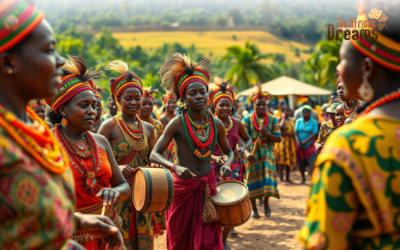
Cultural Experiences: Participate in cultural dances, songs, and pay visits to nearby tea farms to learn about the livelihood of the Rwandan people.
Permits and Fees
Some activities, such as the Chimpanzee trekking activity need one to obtain permits. These are perhaps best arranged with the Rwanda Development Board or with licensed tour operators in advance.
Health and Safety
Check on the vaccination and if you should take anti-malarial, then do. Take insect repellent, wear long sleeves, and drink lots of water. It is important to always consult and heed a word from a park ranger or guide.
Packing Essentials
- Sturdy hiking boots
- Lightweight, moisture-wicking clothing
- Rain gear
- Binoculars for wildlife viewing
- Camera
- Reusable water bottle
By preparing adequately, you can fully immerse yourself in the wonders of Nyungwe Forest National Park and create lasting memories.
Investment opportunities in the Nyungwe Forest National Park
- Eco-Tourism Ventures: Promote and establish eco-friendly lodges and resorts. As well as tour operations for the increasing number of people interested in nature-related travel.
- Infrastructure Development: Finance transportation and infrastructure for improved convenience, since the park’s primary goal is conservation.
- Agro-Tourism Initiatives: Introduce the establishment of a tea plantation and its related tourism attraction. Such as tours, experiences, etc, and the fact that the park is surrounded by an agricultural environment.
- Community-Based Projects: Promote local art and craft, traditional dancing, and pointing services. Which include guided tours, boosting community participation, and giving tourists the best encounter with a culture.
- Conservation Programs: Support future fund research and survey animal life in the park to support ecological balance in the long run to support ecological balance.
- Adventure Activities: To complement the existing products in the park, new forms of tourism, such as zipline and canopy walk tourism, should be developed.
Conclusion
Nyungwe Forest National Park has turned into a symbol of conservation and tourism cooperation. In the years of its existence, the park has grown to remarkable heights. Opening opportunities for eco-tourism and community involvement in the future. This shows Rwanda is protecting natural resources and improving the welfare of Rwandans.
The future is even brighter for shares. Due to consistent development of facilities and protection measures, the park will continue to receive more visitors while preserving the natural environment. Thus, the united work of the government, private investors, and local communities will remain a strong contribution to preserving the park as a sustainable asset.
If you go there and invest in various businesses in Rwanda, how would it be? Imagine a friend coming to visit you in 10 years while enjoying the canopy walkway or trekking. It will be a truly magnificent experience. Nyungwe Forest is not just a park—it’s a legacy for future generations.
0 Comments