

Nigeria, Africa’s most populous country, is home to one of the most vibrant economies in Africa. The nation offers diverse opportunities for investors, especially in the hotel and hospitality sectors. With its growing middle class, urbanization, and increasing domestic and international tourism, Nigeria stands out as a destination with huge potential for hotel investment. This article explores the current state of the hospitality sector, key market drivers, investment opportunities, challenges, and what the future holds.
Nigeria’s Hospitality Landscape
Overview of Nigeria’s Tourism and Hospitality Industry
Nigeria’s tourism industry is steadily expanding. Thanks to its bustling cities, unique cultural festivals, and rich heritage, the country welcomed over 1.5 million international visitors in 2022. Domestic tourism is also rising, with Nigerians traveling more frequently for leisure and business. According to the National Bureau of Statistics, the tourism and hospitality industry contributes about 4% to the national GDP, showcasing its growing importance to the economy.
The Role of Hotels in Economic Development
Hotels play a central role in the tourism ecosystem. They provide accommodations, meeting spaces, and essential services for travelers. In addition, they drive local economies by creating jobs, promoting local businesses, and attracting international tourists who spend money in the country. For instance, a mid-sized hotel can employ up to 200 people, including staff and contractors, further underlining its importance in reducing unemployment.

Market Dynamics Driving Hotel Investments
Growing Domestic and International Tourism
The rise in domestic tourism has significantly increased the demand for hotels in Nigeria. Nigerians are exploring destinations like the Obudu Cattle Ranch in Cross River State and the Yankari Game Reserve in Bauchi State. Internationally, Nigeria attracts business travelers attending events like the Lagos International Trade Fair or multinational conferences in Abuja.

Supportive Government Policies
The Nigerian government is prioritizing tourism development to diversify the economy. Policies like the National Tourism Development Master Plan aim to create an investor-friendly environment. In addition, hotel developers benefit from tax incentives under the Pioneer Status Incentive Program, which exempts qualifying businesses from corporate income tax for up to five years.
Economic Indicators Supporting Investment
Nigeria’s urbanization rate, at 4.3% annually, is among the fastest in the world. Cities like Lagos, Abuja, and Port Harcourt have a high concentration of business travelers who demand quality accommodations. Moreover, with increasing disposable income, the country’s expanding middle class drives the need for affordable yet comfortable hotels catering to leisure travel.
Key Investment Opportunities in Nigeria’s Hotel Sector
Luxury and Boutique Hotels
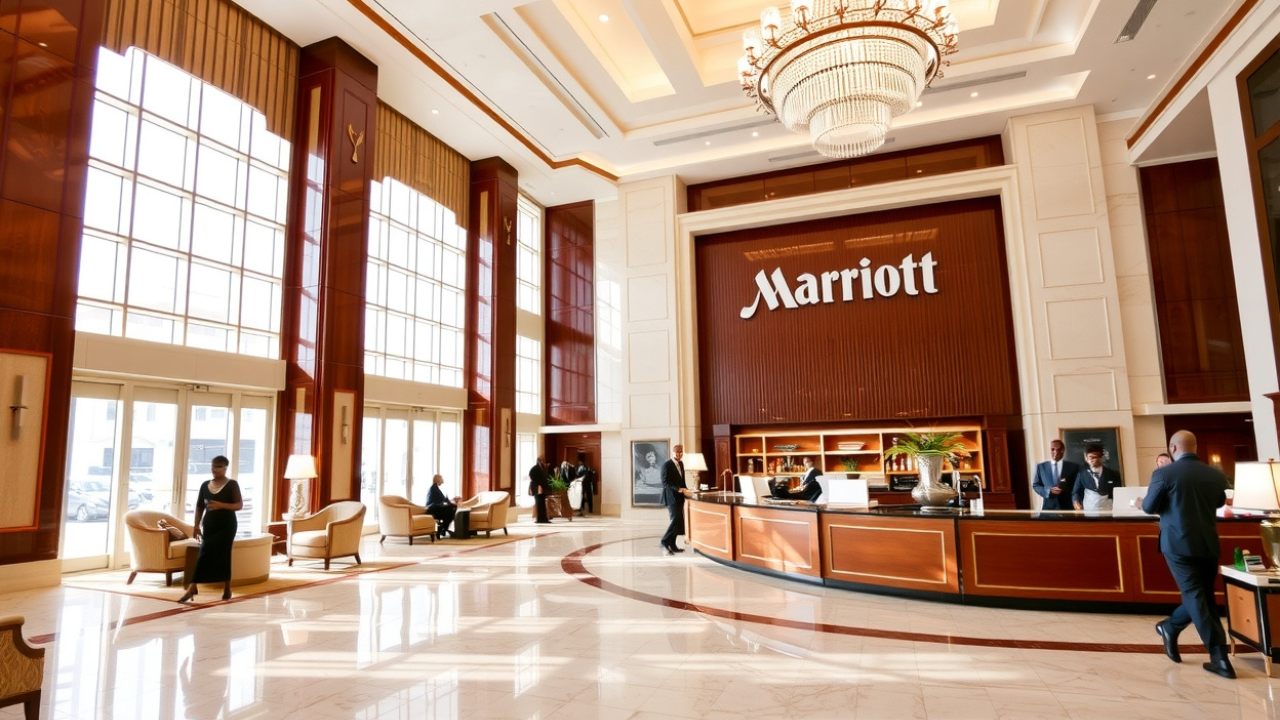
Cities like Lagos, Abuja, and Port Harcourt are prime locations for luxury hotel investments. Business travelers visiting these cities demand premium accommodations, conference facilities, and high-quality amenities. Boutique hotels offering personalized services are also gaining popularity among affluent Nigerian travelers.
Mid-Range Hotels for Budget-Conscious Travelers
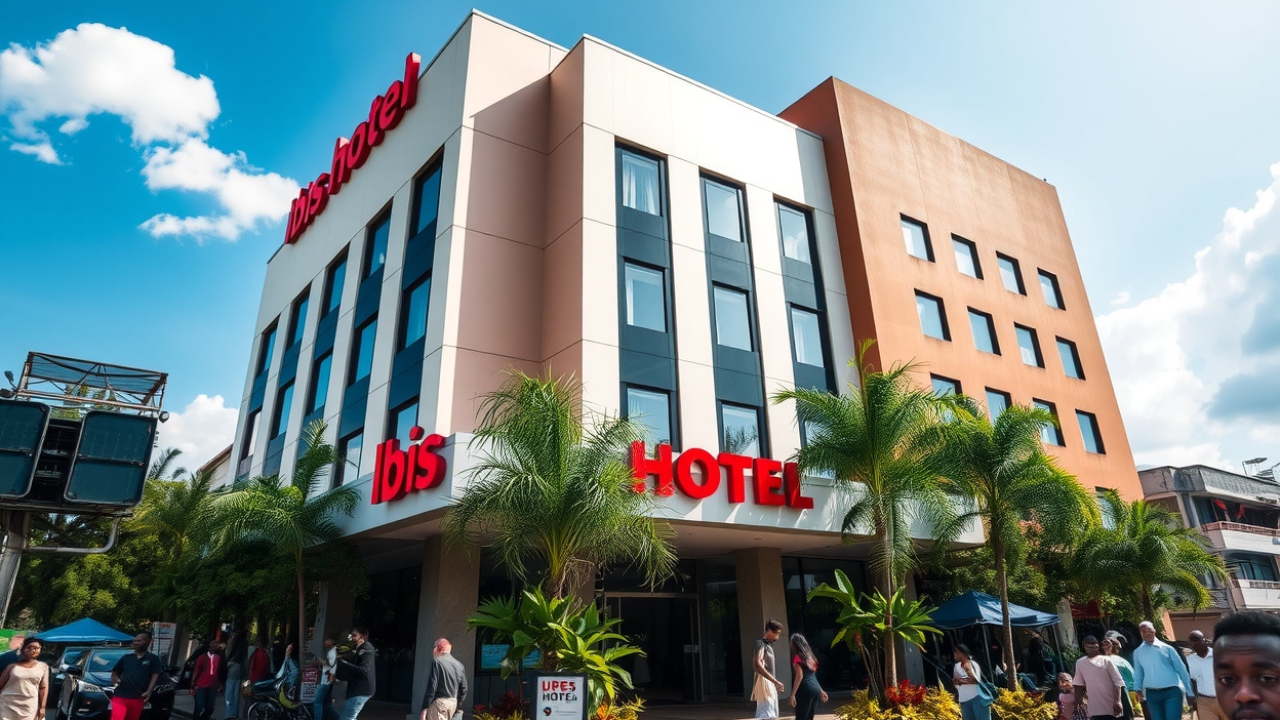
More must be done in the mid-range hotel segment, especially in secondary cities like Ibadan, Enugu, and Kaduna. Budget-conscious travelers, including domestic tourists and small business owners, seek affordable yet modern accommodations. This segment offers vast opportunities for investors to cater to a broader market.
Eco-tourism and Adventure Lodges
Nigeria’s stunning natural attractions, such as the Obudu Mountain Resort and the Gashaka-Gumti National Park, present opportunities for eco-tourism lodges. These eco-friendly accommodations align with global trends promoting sustainability. Adventure tourism is also growing, with younger travelers seeking unique experiences in Nigeria’s national parks and wildlife reserves.

Hotels Near Cultural and Heritage Sites
Cultural tourism thrives in Nigeria. Events such as the Osun-Osogbo Festival and the Calabar Carnival attract thousands of visitors annually. Developing hotels near cultural landmarks or festival locations is a smart strategy for catering to tourists seeking immersive experiences.
Challenges and Mitigation Strategies
Infrastructure Challenges
Inadequate infrastructure remains one of Nigeria’s biggest obstacles. Roads leading to popular destinations are often in poor condition, and electricity supply is unreliable. However, investors can address these challenges through public-private partnerships (PPPs). For example, hotel developers can co-invest with local governments to improve access roads or install renewable energy solutions.
Security Concerns
Safety concerns keep some tourists from visiting Nigeria, especially in certain regions. Hotels can mitigate this by implementing advanced security systems and working closely with local authorities to ensure guest safety. Another effective strategy is offering secure shuttle services for guests traveling from airports to hotels.
Bureaucratic and Regulatory Hurdles
Navigating Nigeria’s regulatory environment can be complex. Delays in obtaining permits or approvals can slow down projects. However, the government’s Ease of Doing Business Initiative aims to simplify these processes. Collaborating with local consultants and legal experts helps investors navigate regulatory challenges more efficiently.
Cultural Sensitivity
Nigeria is a culturally diverse nation. Investors must design their services to respect local traditions and values. For instance, in northern Nigeria, which is predominantly Muslim, hotels may need to accommodate halal food preferences and ensure gender-sensitive accommodations.
Success Stories and Future Outlook
Notable Hotel Investments
Nigeria has attracted significant global hotel brands. In 2021, Marriott International opened a luxury hotel in Lagos, targeting business travelers. Transcorp Hotels, a leading local brand, expanded its footprint with a hotel in Port Harcourt. These investments have been highly successful, generating significant revenue and employment opportunities.
Future Growth Projections
The Nigerian hotel market is poised for remarkable growth. According to a report by PwC, the hospitality sector is expected to grow by 12.63% annually, reaching a market volume of $2.61 billion by 2029. This growth is driven by increasing urbanization, higher incomes, and infrastructure improvements.
Recommendations for Investors
To succeed in Nigeria’s hotel industry as an investor, you should:
-
Conduct thorough market research to understand customer needs.
-
Partner with local businesses to navigate the regulatory environment.
-
Incorporate technology to enhance guest experiences, such as online booking platforms and innovative room features.
Conclusion
Nigeria’s hotel industry presents vast opportunities for investors willing to explore its dynamic market. While challenges such as infrastructure and security exist, they are manageable with effective strategies and partnerships. With the right investment approach, the potential for growth and profitability is immense. For investors seeking high returns in a promising market, Nigeria is an opportunity that cannot be overlooked.






0 Comments