
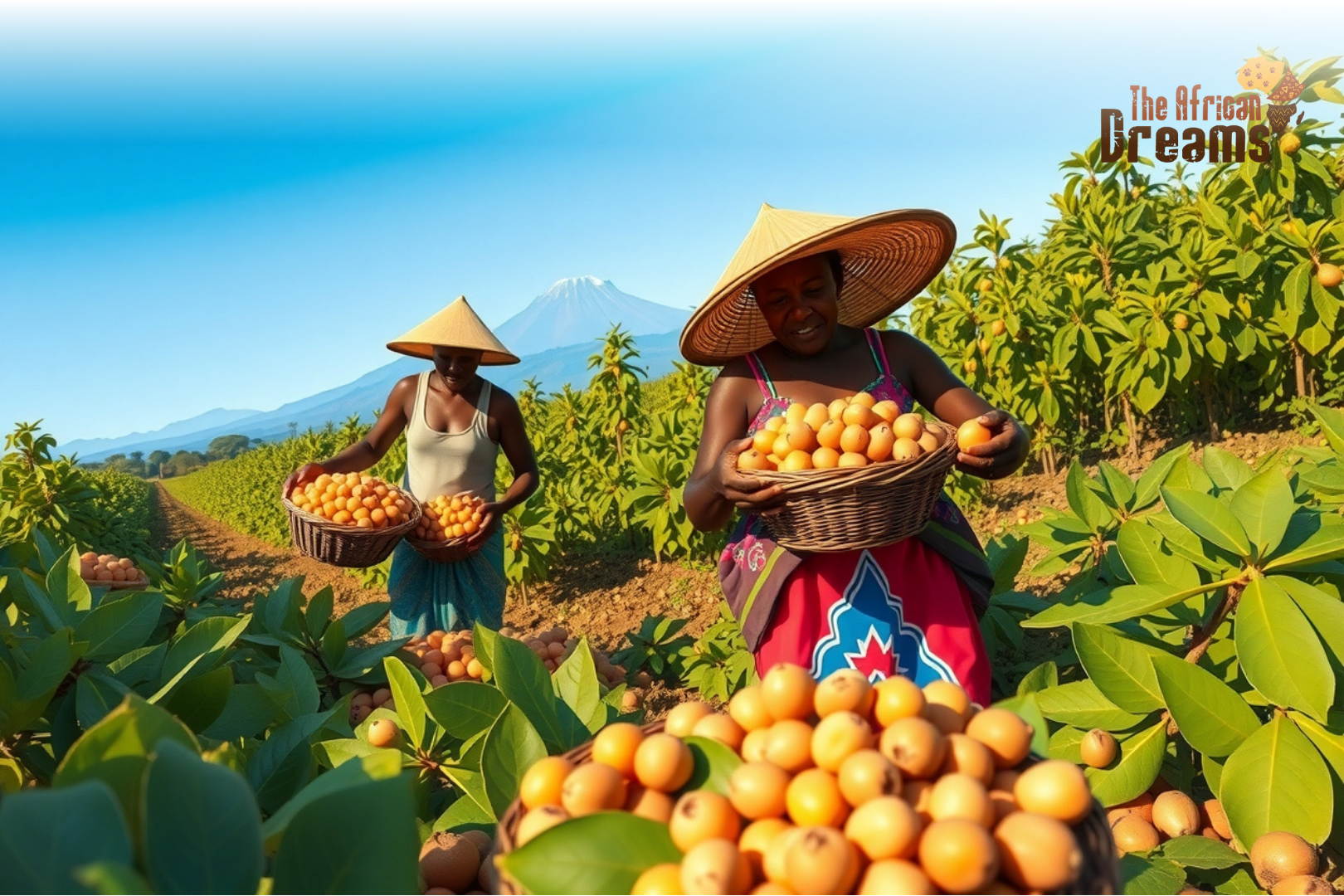
Macadamia nut farming has become a thriving agricultural industry in Kenya, offering immense opportunities for local and international investors. Kenya ranks third globally in macadamia nut production, contributing around 13% of the world’s supply. Favorable weather, supportive policies, and increasing global demand make Kenya an ideal location for macadamia farming. This guide outlines everything investors need to know about starting and managing a macadamia farm.
After reading this article, you will be able to,
Discover why Kenya ranks as the world’s third-largest producer of macadamia nuts and its export potential to key markets like the US, China, and Europe.
Learn the basics of starting a macadamia farm, from selecting the right location and varieties to legal compliance.
Explore the best planting, irrigation, pest management, pruning, and harvesting practices to ensure optimal yields.
Understand the investment costs, yield projections, and revenue potential of macadamia farming. It is estimated that it can generate up to KES 1.2 million per acre annually.
Gain insights into processing macadamia nuts into oil, roasted nuts, and other products to maximize profitability.
Understanding the Macadamia Market in Kenya
Global Demand and Market Trends
The global macadamia market has grown significantly, with increasing demand from North America, Europe, and Asia. It is expected to grow at a compound annual growth rate (CAGR) of 6.5% from 2022 to 2030. Health-conscious consumers are driving this demand, given macadamia nuts’ rich nutrient profile, which includes monounsaturated fats, antioxidants, and dietary fiber.
Kenya’s Role in Global Production
Kenya exported over 41,000 metric tons of macadamia nuts in 2021, earning approximately $220 million. Key export destinations include China, the United States, and Europe. The country’s production is projected to surpass 100,000 metric tons by 2025 as more farmers adopt macadamia cultivation.
Local Market Opportunities
Locally, demand for macadamia nuts is increasing due to their use in snacks, oils, and confectionery. Additionally, processed macadamia products fetch higher prices in local and export markets, making value addition a lucrative option for farmers and processors.
Preparing to Start a Macadamia Farm
Selecting the Right Location
Macadamia trees thrive in Kenya’s central and eastern regions, such as Murang’a, Kiambu, Embu, Meru, and Nyeri. These areas provide:
- Optimal Altitudes: 1,500–2,100 meters
- Ideal Temperatures: 18–25°C
- Suitable Soil: Well-drained, acidic soils with a pH range of 5.5–6.5
Proper site selection significantly affects yield and tree health.
Choosing the Right Varieties
High-yield grafted varieties such as KRG-15, MRG-20, and EMB-1 are recommended for their resistance to pests and diseases and faster maturity. Grafted trees begin producing nuts within 3–4 years, compared to 7–10 years for non-grafted varieties.
Acquiring Quality Seedlings
Certified nurseries, such as the Kenya Forestry Research Institute (KEFRI), provide high-quality seedlings for KES 150–300 per seedling. Obtaining certified seedlings minimizes the risk of low yields and diseases.
Legal and Regulatory Requirements
Farmers must adhere to agricultural laws, including obtaining land use permits and meeting Kenya Plant Health Inspectorate Service (KEPHIS) standards. These measures ensure quality production and market access for export.
Establishing and Managing a Macadamia Farm
Land Preparation
Before planting, prepare the land by clearing vegetation, tilling, and amending the soil with organic manure. Ensure proper drainage to prevent waterlogging, which can lead to root rot.
- Tree Spacing: An 8m x 8m layout accommodates 70–80 trees per acre.
- Estimated Cost: Land preparation costs range from KES 10,000–20,000 per acre.
Planting and Irrigation
Plant seedlings at the onset of the rainy season to minimize irrigation needs. For drier regions, implement drip irrigation to provide consistent moisture. Young trees require watering every 7–10 days during dry periods.
Farm Management Practices
Fertilization and Soil Health
Conduct regular soil tests to determine nutrient deficiencies. Organic fertilizers such as compost and animal manure improve soil fertility. Apply fertilizers at least twice a year to enhance tree growth.
Pest and Disease Control
Common pests include stink bugs and thrips, while fungal diseases like root rot and powdery mildew are prevalent. Integrated pest management (IPM) practices, including biological control and minimal pesticide use, help mitigate these challenges.
Pruning and Canopy Management
Prune trees annually to remove dead branches, improve air circulation, and increase sunlight penetration. Pruning reduces the risk of pests and diseases while enhancing nut quality.
Harvesting and Post-Harvest Handling
Identifying and Harvesting Mature Nuts
Macadamia nuts are ready for harvest when they naturally fall to the ground, typically between February and June. Delayed collection may compromise quality due to moisture absorption or mold growth.
Harvesting methods vary based on farm size:
- Manual Collection: Ideal for small-scale farms
- Mechanical Harvesters: Cost-effective for large-scale operations.
Post-Harvest Processing
Dehusking and Drying
Dehusk nuts immediately after harvesting to prevent fungal contamination. Dry nuts to a moisture content of 1.5–3%, ideal for long-term storage.
Storage Best Practices
To maintain quality, store dried nuts in well-ventilated, moisture-free facilities. To avoid mold formation, use sisal bags or other breathable materials.
Value Addition
Value-added products such as roasted nuts, macadamia oil, and flour fetch premium prices. Establishing processing facilities on or near farms can significantly enhance profitability and create additional revenue streams.
Profitability and Investment Potential
Initial Investment Costs
Setting up a macadamia farm requires an estimated KES 150,000–200,000 per acre, covering land preparation, seedlings, labor, and irrigation.
Yield Projections and Revenue
A mature macadamia tree produces 70–80 kilograms of nuts annually. With market prices ranging between KES 100–150 per kilogram, one acre can generate KES 560,000–1,200,000 annually.
Return on Investment
As trees mature, macadamia farming becomes profitable within 5–6 years. Diversifying into value-added products, such as macadamia oil or packaged roasted nuts, can enhance returns.
Navigating Challenges and Leveraging Support Systems
Common Challenges
- Price Volatility: Global supply-demand dynamics may impact prices.
- Pests and Diseases: Require continuous monitoring and management.
- Climate Change: Erratic weather patterns affect yields.
Support Systems
Government Subsidies
Kenya’s Ministry of Agriculture offers seedlings and farming inputs subsidies to support macadamia farmers.
Farmer Cooperatives
Organizations like the Nut Processors Association of Kenya (NutPAK) and local cooperatives provide resources, training, and market access.
Training Programs
Institutions such as KEFRI offer training on best practices for planting, pest management, and value addition.
Conclusion
Farming macadamia nuts in Kenya presents a high-potential opportunity for investors. Macadamia farming can yield substantial returns with proper planning, adherence to best practices, and support from government and industry organizations. As global demand continues to grow, Kenya’s macadamia industry is set to thrive, offering a sustainable and profitable venture for the future.
0 Comments