
Introduction: Libya’s Construction Industry
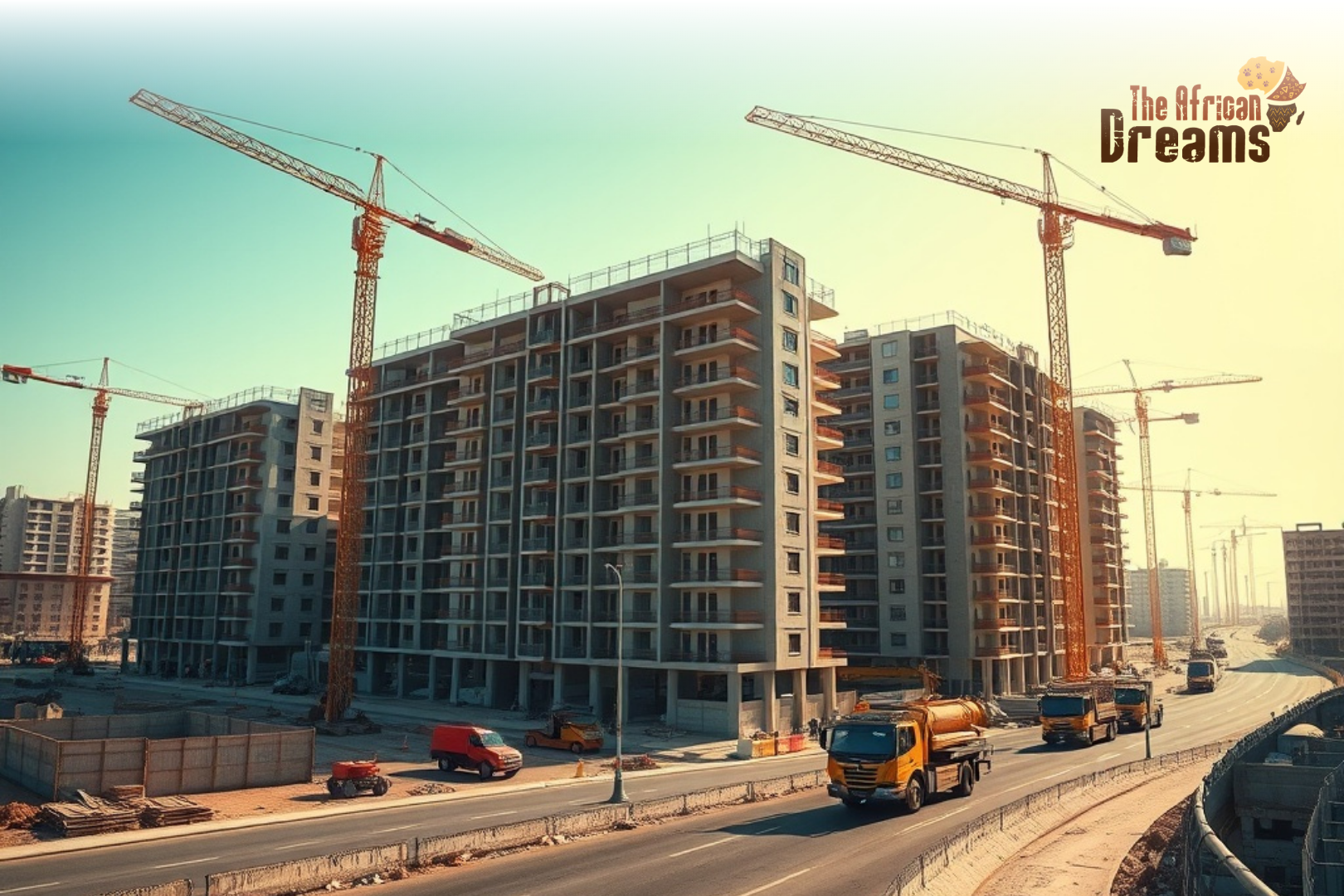
Libya’s construction industry is starting to grow again. After many years of severe political conflict, the country is now rebuilding roads, houses, and public places. This makes Libya’s construction industry very important right now. Many new infrastructure projects are coming. There is also a strong push to bring in money from outside. Because of that, there are good chances to invest in Libya’s construction industry. Investors can secure healthy returns and help rebuild the country.
New roads, bridges, and buildings are needed in almost every city. Some work has already started, but much more is still waiting. Big areas like Tripoli, Benghazi, and Misrata need new housing, better transport, and safer public spaces. These jobs can bring work, growth, and better living conditions for people.
Even with some problems still there, Libya’s construction industry is slowly waking up. Private companies, the Libyan government, and even foreign partners are looking for ways to build again. This shows that something new is starting. It could grow very fast in the coming years.
Current Situation of Libya’s Construction Industry
Infrastructure After Conflict
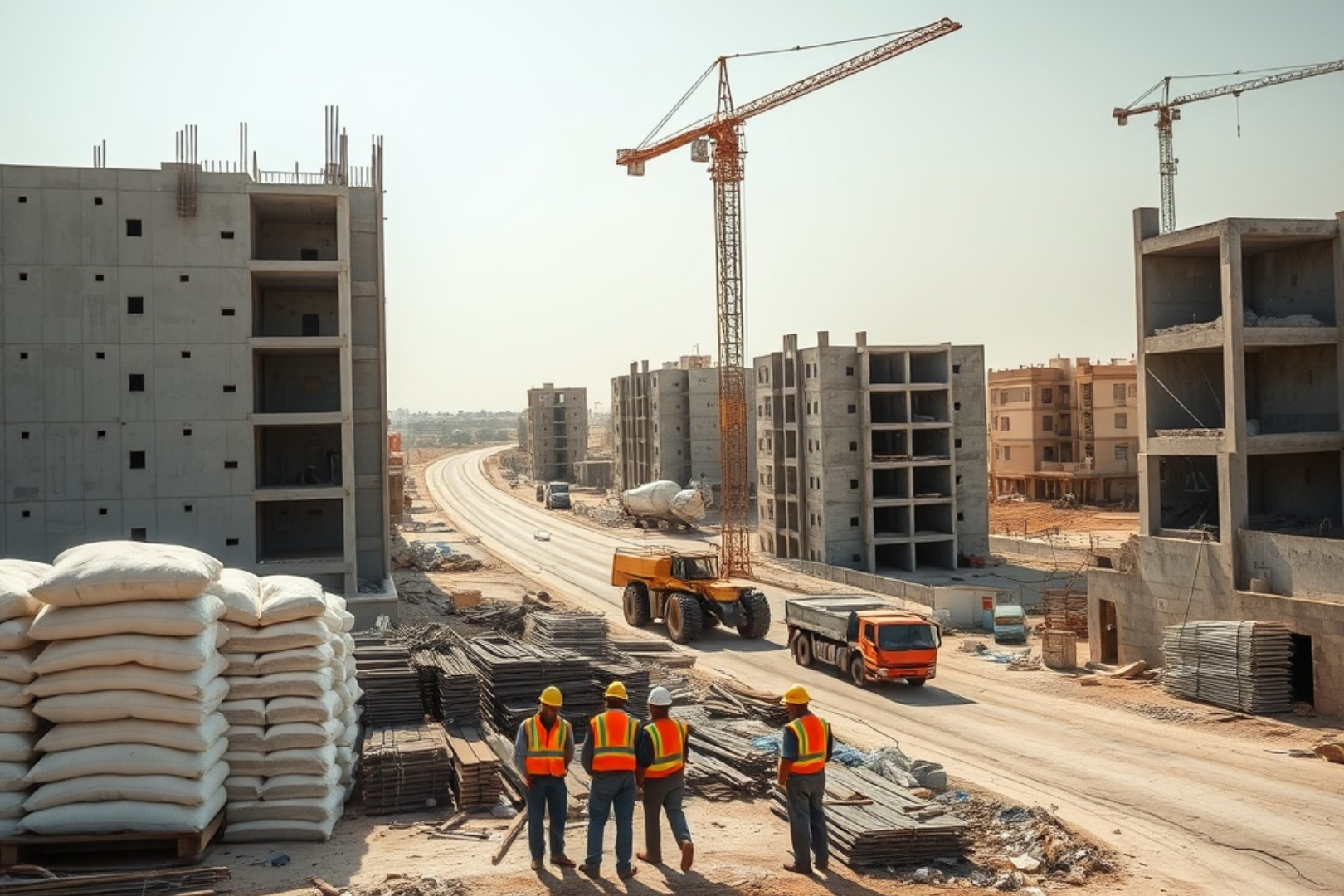
Years of conflict have left Libya’s roads, buildings, and public spaces in bad shape. Many projects were stopped halfway. Some buildings are damaged or completely destroyed. Power stations, schools, and hospitals in many areas still need full repair. Because of this, Libya’s construction industry has a lot of work to do.
Ongoing Construction Projects
Even with many problems, some new projects have started. In Tripoli, there are road repairs, housing plans, and bridge works happening. In Misrata, work on airport upgrades is slowly moving forward. Benghazi also has small housing and market building projects in progress. These are early steps, but they show that construction is starting to come back.
Public vs Private Activity
The government is trying to lead big projects. It works with local companies and brings in support from other countries. At the same time, many private companies are working on small housing or shop-building projects. Foreign companies from Turkey and Egypt have also joined in some parts. This mix of public and private work is helping the sector move.
Demand in Key Cities
Tripoli, Benghazi, and Misrata need the most construction work. These cities have a very high population compared to the other cities. They need better roads, safer housing, and new public buildings. Some smaller towns also need help, especially in the southern parts of Libya. The demand is very high.
Slow but Visible Recovery
The growth is not fast, but things are getting better. Projects are small now, but more companies are joining. Materials are easier to find. People are getting jobs in local building teams. This shows that even with slow steps, Libya’s construction industry is coming back to life.
Investment Opportunities in Libya’s Construction Industry
Roads and Highways
Libya has around 100,000 kilometers of roads. But many are still broken, unpaved, or only half done. Big roads between Tripoli, Benghazi, and Misrata are in very bad shape. There are also some plans to build new highways to the borders with Tunisia, Egypt, and Sudan.
Investors can join projects to fix or build roads. This might help lower transport costs and connect cities better. Road projects could also give jobs to many people in local areas.
Housing and Real Estate
Libya needs a lot more homes. Many houses were lost during the war, and now new families are looking for safe places to live. In Tripoli, thousands of people are still waiting for finished homes.
Investors can join housing plans or build low-cost homes on private land. Property prices are still pretty low, which makes this a strong area for future growth. With better planning, these projects can grow very fast.
Ports, Airports, and Industrial Zones
Libya’s ports and airports are working, but they are still very old. Misrata Port and Tripoli Port both need better buildings, cargo areas, and storage. Tripoli Airport is under slow repair, and other airports are also being planned.
There is also talk of building special trade zones near ports and borders. These could be very good places for investors in building, warehousing, and transport. The need is big, and the competition is still small.
Construction Materials and Machinery
Most building tools and materials still come from outside. There are not enough local suppliers. Libya needs cement, steel, bricks, and machines like mixers and trucks.
Investors can join by opening a supply business or renting out tools and machines. This can help builders finish jobs much faster and with better quality. The demand is already there and could grow even more.
Public-Private Projects (PPPs)
The government of Libya is trying to bring in private help for public work. These are called public-private projects. Some are already happening in roads, schools, and housing.
These deals help share costs and get work done a bit faster. For investors, this could be a very smart time to join. Early projects may bring long deals and good land access.
Government Support and Reforms in Libya’s Construction Industry
National Plans and Infrastructure Goals
The Libyan government has made rebuilding a top goal. Under the National Development Plan, there are proposals to fix roads, build new housing, and expand airports and ports. These plans are still in early stages, but they show that the government is trying to rebuild the country’s base.
Openings for Private and Foreign Companies
The government is slowly opening space for private companies to join public projects. This includes foreign construction firms and investors. New rules now allow some companies to work with fewer documents and get access to land more easily. It is still not perfect, but it is better than before.
Public-Private Partnerships (PPP)
Libya’s construction industry is using PPPs to bring private investors into big projects. Some roads and housing projects have already started under this model. In PPP deals, the government provides land or support, and private firms handle the work. These deals can last many years and give good returns if the projects go well.
Customs and Licensing Changes
The government has made a few small changes in customs and licensing. Some building materials now move across the border a bit faster than before. This helps reduce waiting time for projects.
There is also talk about cutting down the paperwork needed for project approvals. These changes are still quite early, but they could make things much easier for investors if more steps are taken soon.
Cooperation with Other Countries
Libya has signed a few new deals with countries like Turkey, Egypt, and Tunisia to work on construction projects. Some foreign companies have come back to slowly restart old work.
This kind of cooperation is helping bring back some trust and supply the skills and materials that Libya’s construction industry still really needs. It is still early, but these steps are starting to make a positive difference.
Challenges in Libya’s Construction Industry
Security and Regional Instability
Some areas in Libya are still not fully safe. A few places face local problems like crime or unrest, which make working conditions very difficult. Even in stable cities like Tripoli and Misrata, there are some risks. Because of this, many projects in Libya’s construction industry move a bit slower than expected. Companies also spend more money on protection and safety.
Lack of Skilled Labor
Libya has many people who want to work, but not enough have the right training for construction jobs. Many skilled workers left during the conflict, and few came back. Some companies now bring workers from outside, but that can be more costly. Training programs are growing, but progress is still pretty slow.
Import Dependence and Material Shortage
Libya still imports most of its construction materials. Cement, steel, and other construction materials often come from outside the country. This can cause long delays and very high costs. Local supply is getting better day by day, but it is still not strong enough for large projects.
Unclear Rules and Delayed Payments
The rules for land, permits, and public works are very confusing for investor companies. Project approvals can take a very long time, and payment from public projects is often very slow. The government of Libya is trying hard to solve these issues. But the progress is still a bit slow.
Limited Equipment and Old Tools
Many builders still use old tools, which are not good enough for many projects. Some machines are too slow or not safe to use. New machines are very expensive, and most companies cannot afford them. Renting is also not that easy right now.
Because of this, work takes much longer, and the quality is not always good. Some projects stop halfway or move very slowly. Better tools could help a lot, but they are still hard to get for many builders.
Success Stories of Construction Projects in Libya
1. Turkish Firms Rebuilding Tripoli Airport
Tripoli International Airport was badly damaged during the conflict. It stayed closed for many years. In 2021, some Turkish companies came back to restart the work. Firms like TAV Construction and 77 Insaat signed a deal with Libya’s government to rebuild the airport.
They started with terminals, towers, and service buildings. The work is going a bit slow, but it is still moving. This shows that foreign companies are still willing to work in Libya’s construction industry. If the project finishes, the airport could serve a very large number of travelers and boost air transport in a big way.
2. Misrata Free Zone Expansion
The Misrata Free Zone is one of the most active business areas in Libya. In the last few years, construction there has grown quite fast. New warehouses, offices, and port buildings are coming up.
Both local and foreign investors are working in this zone. Some projects also got help from outside logistics firms. Misrata offers tax breaks and faster paperwork, so things move a bit easier. It shows how well a project can grow when support is clear.
3. Coastal Highway Project with International Help
The Coastal Highway is a very long road that connects Libya’s east and west. It is very important for travel and trade. A few years ago, Libya got help from the United Nations and the EU to fix the highway.
Work began on some road sections, bridges, and tunnels. It’s moving slowly, but progress is there. The road helps move goods faster and makes travel safer. With more support, it could become a major trade route and bring in even more chances for investment along the way.
Final Words: Growing Libya’s Construction Industry
Libya’s construction industry is slowly coming back to life. Roads, airports, homes, and public buildings are being rebuilt step by step. Some projects are still small, but they show that change is starting. With more support, Libya’s construction industry can grow very fast.
The need is very big, and the market is still mostly open. Many areas need strong roads, safer homes, and better public services. Local builders are ready, but they need help with tools, training, and a steady supply.
Foreign companies are already working in places like Tripoli and Misrata. They are proving that it is possible to build in Libya’s construction industry and earn at the same time. The government is also trying to improve rules, open partnerships, and make things smoother for investors.
For those looking at long-term returns, Libya’s construction industry offers a strong chance. The timing is right, and the demand is clear. A little support today could turn into something very big tomorrow.
FAQs
1. Is construction in Libya active right now?
Yes, some projects have already started again. Work is happening in places like Tripoli, Misrata, and Benghazi. It is still slow, but it is moving.
2. What are the main areas for investment in construction?
Roads, housing, ports, airports, and industrial zones all need work. There is also demand for tools, machines, and building materials.
3. Can foreign companies join construction projects in Libya?
Yes, foreign firms are already working on some projects. The government is trying to make rules easier to help more investors join.
4. Is there a big need for housing in Libya?
Yes, a lot of homes were lost during the war. Many families still need safe and low-cost housing, especially in big cities.
5. What are the main problems in this sector?
Some big problems include bad roads, slow payments, and not enough skilled workers. Tools and materials are also hard to get sometimes.
6. How can investors get started in Libya?
Investors can join public-private projects, work with local builders, or supply materials. Some areas offer tax support and faster paperwork.



0 Comments