
Introduction: Gambia’s Forests
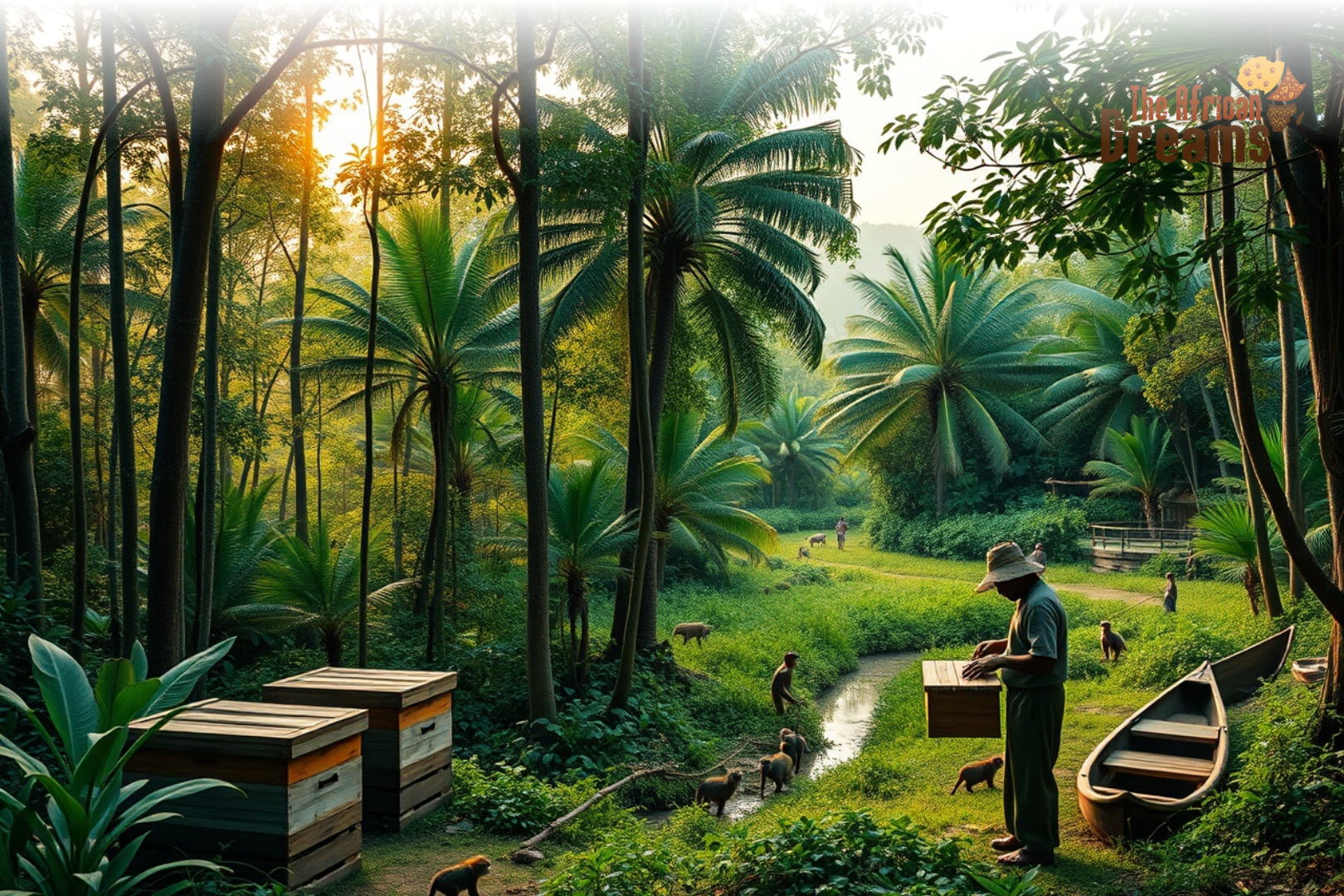
Imagine walking into a green forest where birds fill the air with their sounds, monkeys move between trees, and nature is all around you. This is what you can experience in The Gambia, a country where forests are home to wildlife, local traditions, and many business opportunities.
Gambia’s forests offer much more than natural beauty. They support local communities, provide homes for wildlife, and create opportunities in tourism, farming, honey production, forestry, and other businesses.
Places such as Kiang West National Park and Bintang Bolong Mangrove Forest show how nature and business can work together. With the right approach, Gambia’s forests can attract more tourists, support local people, and create new investment opportunities.
The Appeal of Gambia’s Forests
Gambia’s forests have different landscapes and wildlife experiences. From protected parks to mangrove forests and coastal wetlands, each area offers something different for visitors and investors.
Kiang West National Park
Kiang West National Park covers 11,526 hectares in the Lower River Region. It is the largest protected area in The Gambia.
The park is home to baboons, antelopes, warthogs, and many bird species, including the African fish eagle.
Visitors can enjoy guided eco-tours, boat rides through creeks, and birdwatching. These activities give tourists a chance to see wildlife while learning about the natural environment.
Gambia’s forests also create opportunities for businesses around these natural attractions. Investors can explore eco-tourism lodges, wildlife experiences, conservation projects, and organic honey businesses.
Local communities near Kiang West already take part in activities such as beekeeping and collecting plants used in traditional medicine. This creates a connection between local businesses, communities, and Gambia’s forests.
Abuko Nature Reserve
Abuko Nature Reserve is located just outside Lamin, a village about six miles from Banjul, the capital of The Gambia.
It is the country’s oldest protected area and covers about 105 hectares.
The reserve is home to monkeys, crocodiles, reptiles, and different types of plants. Its location also makes it easy for tourists and people interested in nature and conservation to visit.
Gambia’s forests can support small businesses around places like Abuko. Opportunities include local crafts, guided tours, educational activities, and other visitor services.
The reserve received about 15,000 visitors in 2022, showing the interest that natural attractions can create for tourism.
Bijilo Forest Park
Bijilo Forest Park, also known as “Monkey Park,” covers 51 hectares and is located next to the coastal resorts of Kololi.
The park is known for its green vervet monkeys and patas monkeys. Visitors can walk along its trails and see mangroves and different types of plants.
Its location close to the beach gives visitors the chance to enjoy both nature and the coast during the same trip.
Gambia’s forests can create different business opportunities around such attractions. These can include wildlife photography services, guided walks, eco-friendly souvenir shops, and programs that teach visitors about protecting nature.
Bintang Bolong Mangrove Forest
Bintang Bolong Mangrove Forest is located near Bintang town and forms part of The Gambia’s large mangrove ecosystem.
The area has waterways, fish nurseries, and many bird species. Visitors can enjoy boat tours, oyster harvesting experiences, and quiet fishing trips.
Mangrove areas are also important for local communities because they support fishing and other activities.
Gambia’s forests can create investment opportunities in this area through eco-tourism, floating lodges, sustainable fishing tours, and mangrove replanting projects linked to carbon credits.
Tanji Bird Reserve
Tanji Bird Reserve covers 612 hectares along the coast. It includes wetlands, beaches, and mangroves that attract many migratory birds.
The reserve is popular with photographers and people who enjoy nature. It is also close to Tanji fishing village, giving visitors the chance to experience both wildlife and local life.
Gambia’s forests and wetlands can support tourism businesses such as birdwatching tours, visitor facilities, and cultural events.
The reserve receives around 10,000 visitors each year, with interest expected to continue growing as birdwatching becomes more popular.
The Natural Value of Gambia’s Forests
Gambia’s forests provide more than places for tourists to visit. They also support wildlife, plants, local businesses, and communities.
1. Wildlife and Birds
Gambia’s forests are home to monkeys, antelopes, crocodiles, reptiles, and many other animals.
More than 300 bird species can also be found across the country’s natural areas.
This variety of wildlife gives Gambia’s forests strong value for tourism. Birdwatchers, photographers, researchers, and nature lovers can all find reasons to visit.
2. Plants Used in Traditional Medicine
Several plants found around Gambia’s forests are used in traditional medicine.
These include neem, baobab, and kinkeliba. These plants could also create opportunities for businesses that focus on herbal products and wellness products.
Local communities could play an important role by growing, collecting, and processing these plants while protecting the natural areas where they grow.
3. Forest Products
Gambia’s forests also provide products such as mahogany, rosewood, firewood, and honey. These products are used locally and can also have export value.
Mangrove forests are especially important for local activities such as oyster farming. They also help protect the shoreline from storms.
This means Gambia’s forests can provide both environmental and financial benefits when natural resources are used carefully.
Communities and Gambia’s Forests
Local communities living near Gambia’s forests depend on activities such as farming, fishing, and crafts.
These communities are an important part of the future of forest tourism and business.
Beekeeping and Honey
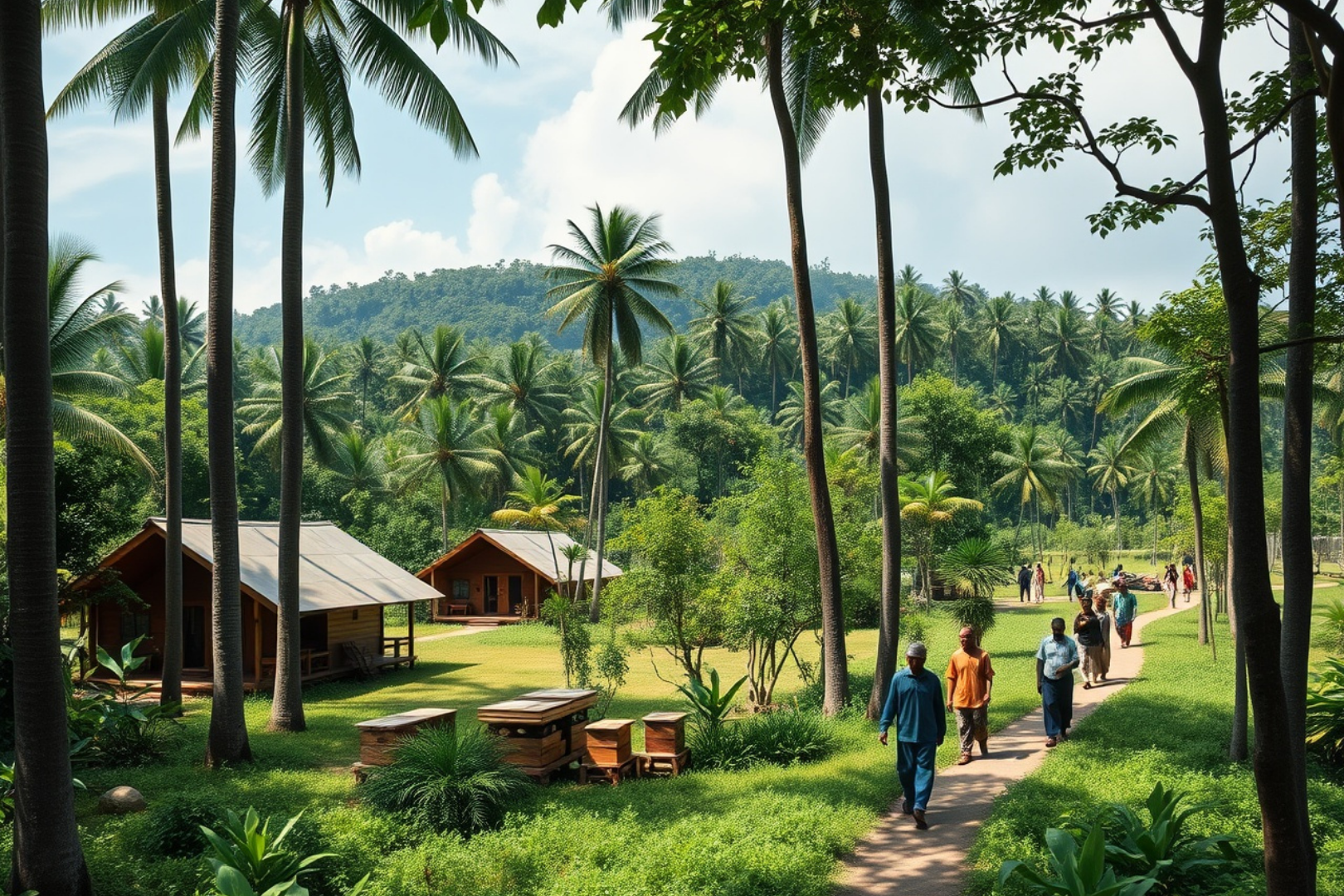
Beekeeping is becoming an important source of income for communities, especially around Kiang West and Bintang Bolong.
Honey production can provide people with income while offering an alternative to activities that may lead to forest loss.
Gambia’s forests can therefore support both nature protection and local businesses through responsible honey production.
There is also an opportunity to develop cooperatives that can produce and sell honey and beeswax products on a larger scale.
Local Crafts
Local artisans make baskets, carvings, and other souvenirs.
These products give tourists a way to take a part of the local culture home with them while providing income for local families.
Gambia’s forests can support this type of community tourism by connecting visitors with local craftspeople and businesses.
Local Experiences
Tourists can also experience local traditions through cultural dances, cooking lessons, and guided activities.
These experiences can make a visit more meaningful while creating income for local communities.
Tourism around Gambia’s forests can therefore help create a stronger connection between visitors, local people, and nature.
Investment Opportunities in Gambia’s Forests
Gambia’s forests offer several areas where investors can explore new business opportunities.
1. Eco-Tourism
Eco-tourism can include lodges, glamping sites, nature trails, guided tours, and educational activities.
Areas such as Kiang West and Bintang Bolong can offer opportunities for businesses that want to combine tourism with nature.
Investors can also support workshops and tours that teach visitors about forests, wildlife, and local communities.
2. Beekeeping and Honey
Honey and beeswax production can be developed through local cooperatives.
With better production and marketing, these products could reach more customers, including international markets.
Gambia’s forests provide a natural setting for businesses that want to develop honey products while supporting local communities.
3. Plants Used in Traditional Medicine
There is also an opportunity to work with local communities to grow and process plants used in traditional medicine.
Businesses and researchers could explore these plants for herbal and wellness products.
This can create another way for local communities to earn income from natural resources without depending only on forest products such as timber.
4. Sustainable Forestry
Responsible forestry can create opportunities through reforestation and agroforestry projects.
Businesses can support the planting of new trees and the careful use of forest resources.
Gambia’s forests can benefit from projects that focus on long-term use rather than short-term gains.
5. Mangrove Replanting
Mangrove replanting can create both environmental and business opportunities.
Projects can focus on planting mangroves, supporting fishing and oyster harvesting, and developing carbon credit opportunities.
Bintang Bolong and other mangrove areas can become important locations for projects that connect tourism, local income, and environmental protection.
Challenges Facing Gambia’s Forests
Gambia’s forests also face challenges that need attention.
Deforestation, climate change, and conflicts between people and wildlife can affect forests and the communities that depend on them.
These challenges also create opportunities for new projects.
Eco-lodges and glamping sites can provide visitors with places to stay close to nature. Community-based tourism can give tourists a chance to learn about local stories, food, and traditions.
Wildlife protection projects can also create opportunities for cooperation with international organisations.
Educational tourism is another area with potential. Students, researchers, and other visitors can come to learn about wildlife, plants, forests, and local communities.
Tourism and Business Opportunities in Gambia’s Forests
Gambia’s forests are already attracting foreign eco-tourists and nature lovers.
Birdwatchers visit places such as Tanji and Kiang West, especially during bird migration periods.
Tourism can also create demand for guesthouses, tour operators, craft markets, guides, and other local services.
As more people discover Gambia’s forests, there is room for businesses that offer simple and meaningful nature experiences.
Wellness retreats and wildlife photography services are other areas that could grow around these natural attractions.
The connection between tourism and local communities is especially important. When visitors spend money on local guides, accommodation, food, crafts, and activities, tourism can create income beyond the main tourist attraction.
Gambia’s Forests and the Future of Tourism
Gambia’s forests can play an important role in the future of the country’s tourism sector.
The Gambia received more than 200,000 international tourists in 2022, according to tourism reports, with a high proportion visiting forested areas.
This shows the importance of natural attractions to the country’s tourism industry.
Gambia’s forests can offer visitors something different from a traditional beach holiday.
A tourist can spend time on the coast, visit a forest, watch birds, see wildlife, take a boat ride, meet local communities, and experience local food and culture.
This mix of nature and culture can make the country more attractive to visitors looking for different experiences.
Why Visit or Invest in Gambia’s Forests?
Gambia’s forests are more than beautiful natural spaces. They are part of the country’s culture, tourism, local economy, and future business opportunities.
For tourists, Gambia’s forests offer opportunities to see wildlife, explore nature, meet local communities, and experience local traditions.
For investors, Gambia’s forests offer opportunities in eco-tourism, honey production, local crafts, wellness products, sustainable forestry, mangrove projects, and other nature-based businesses.
The future of Gambia’s forests depends on finding the right balance between business, tourism, local communities, and nature.
Responsible investment can help create jobs and income while supporting the protection of these natural areas.
Final Thoughts: Opportunities in Gambia’s Forests
Gambia’s forests have many opportunities that are still waiting to be explored.
From Kiang West National Park and Abuko Nature Reserve to Bijilo Forest Park, Bintang Bolong Mangrove Forest, and Tanji Bird Reserve, these natural areas offer different experiences for tourists and different possibilities for investors.
Gambia’s forests can support tourism, local businesses, wildlife protection, farming, honey production, crafts, and other activities.
For tourists, a visit can be a chance to connect with nature and local people.
For investors, it can be an opportunity to support projects that bring economic benefits to communities while protecting natural resources.
Gambia’s forests tell a story of nature, people, and opportunity. With responsible tourism and investment, that story can continue to grow for future generations.

0 Comments