
Introduction: Tourism in Uganda
Tourism in Uganda has become a powerful force for its economy. It alone brings in 1.6 billion USD in annual revenue. Tourists come in flocks because of its wildlife and pristine protected areas. By 2030, the country aims to receive double the visitors it has now and also looks to multiply the billions into more.
With a significant share in Uganda’s GDP, it also provides ample job opportunities. Considering every aspect, the tourism sector in Uganda is a pathway to building a sustainable economy. As a driving force of Uganda’s economy and a potential sector to receive investments, tourism in Uganda is rising as an independent industry.
This article will evaluate the value of tourism in Uganda, the reasons behind the rise, trends, and the impact of building a sustainable economy.
Article Highlights
Uganda’s tourism sector can open the door to a sustainable economy.
The focus needs to shift from agriculture to tourism and tourism product development.
Conservation efforts have had a positive impact on tourism in Uganda’s overall growth.
Uganda Tourism Board needs to polish its methods and allow more investment in the sector.
Tourism’s Rise in Uganda
Tourism in Uganda has been regarded as an important pillar in Uganda’s economy for a long time. But the past few years have been critical and in crisis, with lockdowns and other circumstances. The pandemic resulted in a shutdown for the sector. Getting it up and running has not been an easy task.
The Ugandan government, UTB, and UWA had to work tooth and nail to bring it up to speed in the changing economy. And the country managed to elevate the visitor count, thanks to the remarkable wildlife and natural beauty. 2020 saw a steep decline in tourist numbers because of regulatory issues during the pandemic.
The sector showed remarkable resilience after the end of the pandemic. The 2023 statistics exceeded 120% of pre-pandemic tourist arrivals. To support this, hotel occupancy reached new heights during this time. Kampala topped the list with 61.4% occupancy throughout the year.
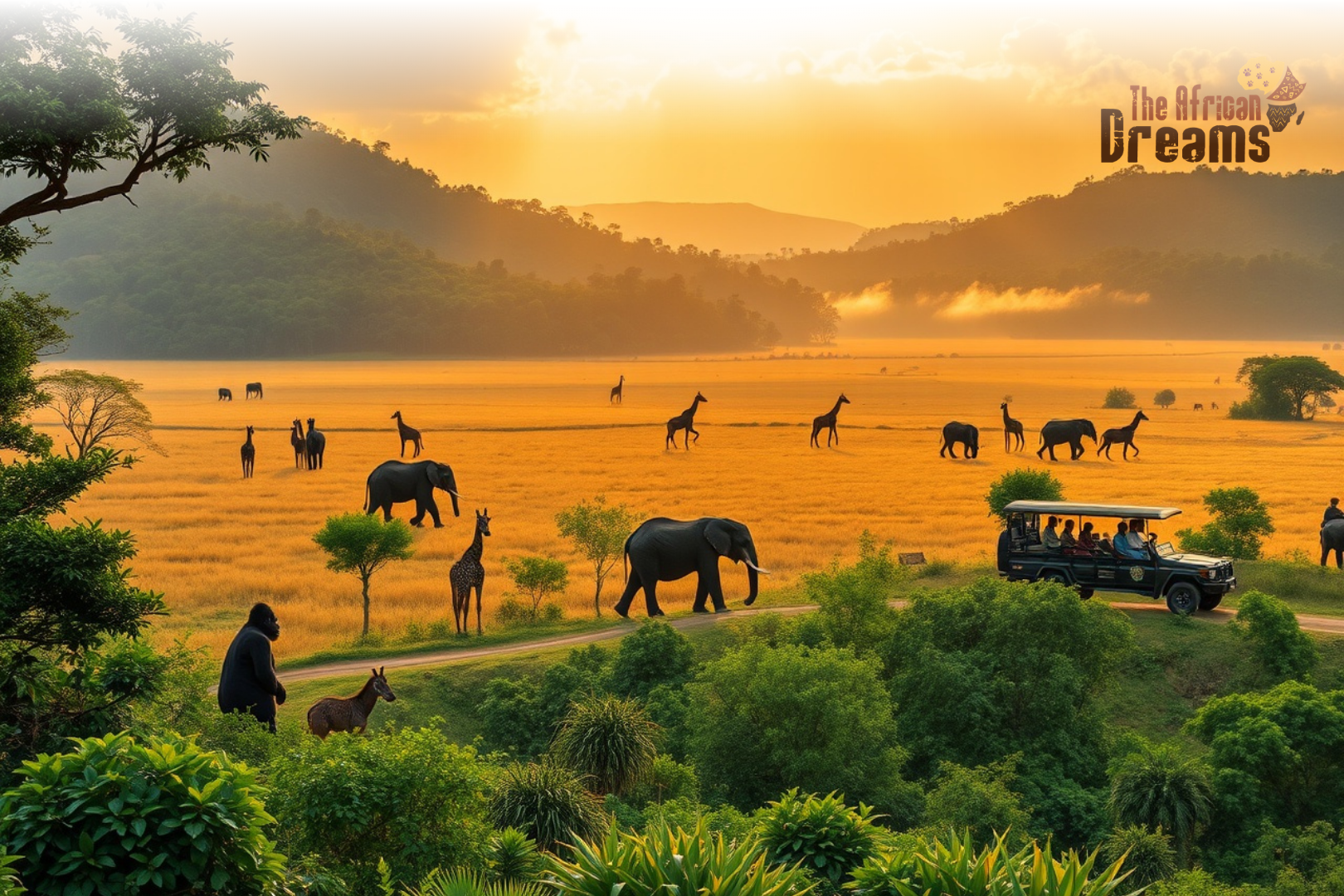
After kick-starting the post-pandemic efforts, Uganda focuses on the conservation of fauna. The country has 10 national parks, 12 wildlife reserves, and 13 wildlife sanctuaries. Queen Elizabeth NP, Bwindi Impenetrable Forest, Lake Albert, Lake Victoria, Source of the Nile, and the Sipi Falls received favorable weather conditions last year. As a result, the tourist numbers kept rising.
The majority of safari experiences in the African region are similar. Uganda has more closed-canopy forests. But the country stands out for the diversity of attractions and activities it offers tourists. Its extensive forests are easier to access than in West African countries, creating another advantage as visitors can enjoy wild animals in their natural habitats.
For example, the Uganda Tourism Board and Expedia Group partnered to run the “Uniquely Yours” campaign that solely tries to attract high-value travelers. Expedia uses its network of 200+ travel sites in over 70 countries to give Uganda a top spot for an immersive journey. The campaign was launched a week ago on 5th November 2024.
Tourism in Uganda: Local Community Development
Uganda’s rural development revolves around community-based tourism. It provides the locals with a way to generate income. It has also had a great impact on shaping the local economy and preserving cultural heritage.
Knowing its importance, Uganda has been pushing cultural tourism to such an extent. Tourism in Uganda has created a distinct place among the drivers of the economy for its impact on the country’s GDP.
1. Direct Benefits: Tourism generates direct benefits for local communities in multiple ways. Community tourism provides visitors with a chance to experience and take part in traditional customs. The tourists can also enjoy cultural events and buy local crafts. The local community receives the most benefit from a revenue-sharing model, allowing 70% of the income directly to community members.
Uganda has 65 distinct cultural tribes like the Acholi and Karamojong. These tribes are the heart that keeps the cultural tourism sector running. These tribes actively preserve cultural heritage.
For example, traditional dances and age-old wisdom are considered sacred and passed on to the next generations. They also care for cultural landmarks and teach visitors about the area’s history. Truly, the essence of tourism is lively in Uganda.
2. Increasing Local Expertise in Hospitality Management: Tourism in Uganda also serves as a learning point for developing skills in hospitality and management. Thus, the rural communities are getting the same benefit.
The government also launched programs to enhance local expertise. The growing sector demands talent development in hospitality management, and it has become a priority. Tourism management is focused on areas with the most returns. This is helping the youth and locals in building sustainable sources of income.
3. Conservation Efforts: Uganda’s wildlife has seen a great transformation after tourism development started. Animal populations in national parks have increased, and there is less poaching in the forests.
Elephant and giraffe numbers went up by 300%. The number of Uganda Kobs doubled from 70000 to 150000. This proves the conservation benefit for Uganda in both tourism growth and keeping the wildlife alive.
Uganda Wildlife Authority supervises all protection measures. They launched proven strategies for all the protected areas. For example, the Queen Elizabeth NP holds the biosphere reserve distinction from UNESCO. The sphere allows settlements within the boundaries.
Conservation expands to the root as well. UCF gives rangers equipment and training for water-based patrols. These measures reduced poaching and enhanced wildlife living near the rivers and lakes.
Uganda’s first community conservancy directly promotes eco-friendly management practices. The conservancies cover 270 sq km of Murchison Community Conservancy and 956 sq km of the Karenga Community Wildlife Area. They also boost the revenue streams and protect wildlife habitats.
The success of these initiatives shows remarkable progress. Especially when it comes to the reintroduction of extinct species. The southern White Rhino made its return a few years ago.
4. Sustainable Economy through Tourism: Tourism is a vital driver of economic progress in Uganda. It contributes to over 8% of Uganda’s GDP. The government wants to utilize the sector to its full potential. Hosted tours alone bring 2172 Euros per person. To top it off, they have expenses that cross 300 Euros each day. Foreign exchange earnings can sustain the whole sector for a long period.
The tourism industry has created a massive employment system. It supports 670000 people with direct and indirect jobs. Research estimates, however, reach well above 1.5 million jobs in total. The industry created quite a few career paths:
a. Tour guides and operators
b. Hotel or resort management
c. Promotion and digital marketing
d. Conservation specialists and rangers
e. Cultural heritage experts
f. Travel agencies and businesses.
5. Another notable development from the sector is public-private partnerships (PPP). Uganda’s government paid limited attention to the private sector. However, tourism development has changed the scene and built successful partnerships.
For example, Space for Giants works with the government to increase accommodation. The organization has a 25-year renewable lease around the country. They are upgrading airfields at Kidepo and Kasese and building tourism information centers in major cities.
Final Thoughts: Sustainable Economy Through Tourism in Uganda
Tourism in Uganda needs sustainable investment to uncover its full potential. To support the growth, significant infrastructural development is necessary. Ongoing projects are aiming to include heritage, culinary, and agro-tourism in the package. Coffee and tea estates are the main attractions of agro-tourism. With everything, tourism in Uganda is now a cornerstone of Uganda’s economic development.
The tourism economy already has a solid base. All Uganda needs to do is keep a steady pace and polish whenever it is necessary. The integrated approach that the government and tourism board took showed the way to boost the economy while protecting its resources.
0 Comments