

Agriculture plays a crucial role in Nigeria’s economy, significantly contributing to its GDP and supporting a large workforce. Maize is particularly important among various agricultural products. It’s the most extensively cultivated crop nationwide, serving multiple roles.
The significance of maize extends beyond its dietary value. It supports the livelihoods of many farming families, providing both a stable food source and a means of income. However, the maize farming industry in Nigeria faces numerous challenges that threaten its productivity and sustainability. These include outdated farming practices, pest infestations, and fluctuating market prices, undermining farmer incomes and food security.
Efforts to tackle these challenges are crucial for the continued growth and sustainability of this sector.
The Challenges
Not only is maize a fundamental food staple that feeds millions, but it is also a crucial animal feed component used in various industrial processes. Despite its vast potential, maize farming in Nigeria encounters several significant obstacles that impede its progress. The challenges are diverse and impact various aspects of the maize production process, from seed to market.
- Firstly, the geographic concentration of maize farming in specific regions, such as Borno, Niger, and Plateau states, introduces vulnerabilities. These areas are often plagued by insecurity due to the activities of insurgent groups and farmer-herder conflicts, which can disrupt farming activities and endanger lives.
- Secondly, Nigerian maize farmers frequently contend with agricultural issues like pest infestations and plant diseases. These biological challenges reduce crop yields and increase dependency on chemical pesticides, which can be costly and environmentally damaging.
- Another significant hurdle is the reliance on traditional farming methods and the lack of access to quality seeds. Many farmers still use outdated techniques and poor-quality seeds. This results in low production efficiency and crop quality.
- Economic factors also play a critical role. Fluctuating market prices and high production costs make maize farming a risky venture.
- Additionally, inadequate governmental support in subsidies and policies further complicates the economic landscape for maize farmers.
Addressing these challenges is crucial for the sustainability and growth of maize farming in Nigeria. Without effective solutions, the sector may struggle to meet the increasing domestic demand and miss opportunities in international markets.
The Solution
Addressing the challenges in Nigeria’s maize farming sector requires a multifaceted approach, incorporating modern agricultural technologies and strategic policy interventions.
- Introduction of Improved Maize Varieties: A significant part of the solution has been the introduction of improved maize varieties. These new strains are designed to be more resistant to diseases and pests and yield more produce even under less-than-ideal conditions. Such advancements not only boost production but also ensure that crops are more resilient against the unpredictable climate.
- Governmental and International Support has also been crucial. Initiatives such as subsidies for agricultural inputs like fertilizers and seeds, enhanced training for farmers on modern farming techniques, and investment in agricultural research are critical components of this support. These efforts are supplemented by policies aimed at encouraging the adoption of innovative farming technologies and practices.
- Infrastructure Improvement: Additionally, infrastructure improvements have been targeted to support the maize value chain. Upgrades to irrigation systems, better road networks for transporting goods, and enhanced storage facilities reduce post-harvest losses and ensure that maize reaches markets in good condition, thereby improving farmers’ profitability.
Together, these solutions aim to transform the maize farming landscape in Nigeria, making it more productive, sustainable, and economically viable. This strategic approach is essential for overcoming the current hurdles and reaching the maize sector’s full potential.
Implementation
Implementing the solutions to improve Nigeria’s maize sector involves strategic and practical steps. These will be supported by real-life examples that showcase the successful adoption of these strategies across various regions.
- Introduction of Improved Seeds: In collaboration with agricultural research institutes, the government rolled out improved maize seed varieties across the country. For example, the International Institute of Tropical Agriculture (IITA) partnered with local farming communities in Kaduna to distribute and educate farmers on using these new seeds. This initiative led to a marked increase in maize yields within one growing season.
- Training and Capacity Building: Extensive training programs were organized to educate farmers on modern techniques. In Kano, a training workshop was conducted where farmers learned about integrated pest management, efficient water use, and crop rotation practices. This program was part of a broader government effort to enhance agricultural productivity and sustainability.
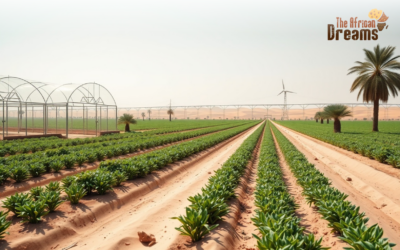
- Infrastructure Enhancement: Infrastructure improvements were prioritized to support the entire maize value chain. For instance, constructing new roads in Gombe state improved access to remote farming areas, facilitating more accessible and faster transport of maize to markets. Additionally, investments in solar-powered irrigation systems were implemented in the semi-arid regions of Yobe, reducing reliance on unpredictable rainfall for water.
- Policy Implementation and Support: The Nigerian government introduced policies that incentivized the adoption of modern agricultural technologies. These policies included subsidies for fertilizers and machinery, and tax breaks for agribusinesses that invest in rural areas.
A notable example is the Agro-Processing, Productivity Enhancement, and Livelihood Improvement Support Project (APPEALS). This project provided financial and technical support to maize farmers in six Nigerian states, enhancing their production capabilities.
These implementation steps were crucial in transforming the theoretical solutions into tangible improvements in the maize farming sector. Nigeria has seen significant advancements in maize production, quality, and farmer incomes through these coordinated efforts.

Results
Implementing strategic initiatives in Nigeria’s maize sector has led to significant measurable outcomes. A notable result has been the increase in maize production to its highest levels since the country’s independence.
According to a 2022 report from the United States Department of Agriculture, Nigeria achieved a record maize production of 12.5 million metric tons, a 20% increase from previous years.
The economic impact has also been profound. Farmers have experienced a boost in income due to higher yields and better market prices. For instance, in the regions where improved seeds and better farming techniques were adopted, farmers reported a 30% increase in their earnings compared to previous seasons. This improvement has enhanced their living standards and contributed to local economic development.
Furthermore, reducing import dependency has strengthened Nigeria’s food security and economic resilience. Before these interventions, Nigeria relied heavily on maize imports to meet its domestic demand. The increase in local production has reduced these imports and positioned the country to explore export opportunities within the West African sub-region and beyond.
These results underscore the success of the strategic efforts to revitalize the maize farming industry in Nigeria, demonstrating a positive trend toward sustainability and economic stability.
Final Remarks
The progress in Nigeria’s maize industry highlights a remarkable journey. A journey from challenge to opportunity, marked by increased production, economic gains, and improved sustainability. The strategic initiatives have catalyzed growth, benefiting the industry and the national economy. The sector holds promising potential for further expansion into international markets, especially with frameworks like the AfCFTA enhancing trade opportunities.
However, continued innovation, government support, and investment in infrastructure remain crucial. Growing maize production through improved practices and technology can lead to greater food security, economic development, and improved living standards for farmers and their communities across Nigeria. To sustain growth and ensure that the maize industry can effectively meet future demands and challenges, collective efforts matter.
0 Comments