
Introduction
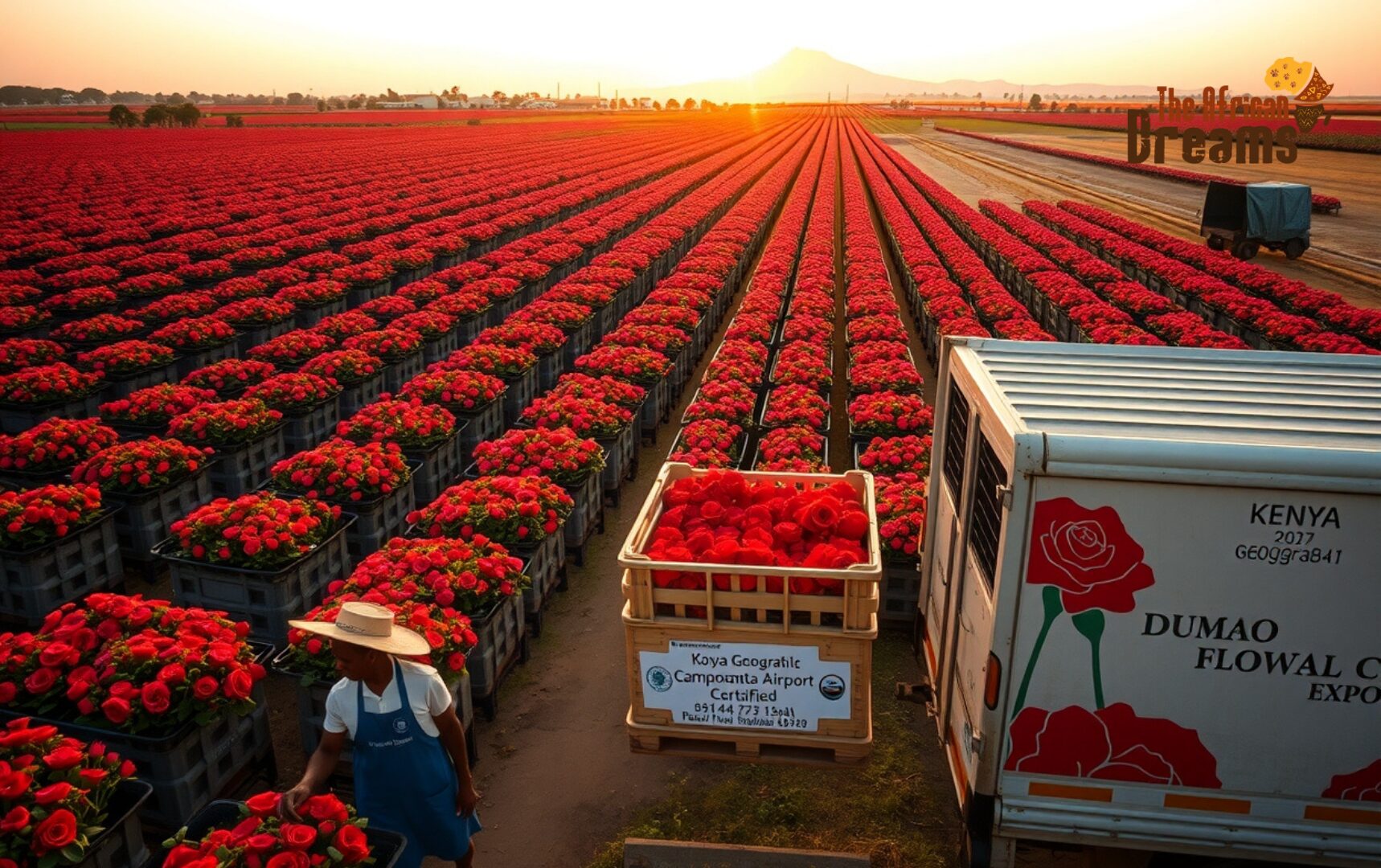
Kenya’s cut flower industry, renowned for its vibrant rose exports, significantly contributes to the national economy. Positioned as the fourth-largest global exporter, the sector supports over 200,000 jobs, mainly in rural communities. This industry is a testament to Kenya’s agricultural prowess and role in the global floriculture market.
This blog will briefly discuss the growth of the Kenyan cut flower industry.
Overview of Kenya's cut flower industry
The growth of Kenya’s cut flower industry sector is impressive, with export volumes showing consistent annual increases. In 2023 alone, Kenya exported approximately 134,000 tonnes of cut flowers, up from 127,406 tonnes the previous year. This shows the industry’s resilience and practical strategies to meet and stimulate global demand.
These exports were possible because of the growing conditions in Kenya’s high-altitude areas, perfect for rose cultivation. The strategic efforts to adhere to international quality standards and develop a robust production infrastructure have enabled Kenya to secure and expand its market presence in Europe, Asia, and America.
The Challenges faced by the Kenyan cut flower industry
- The Kenyan cut flower industry is grappling with several substantial challenges, with taxation emerging as the most significant. Recent government policy has increased taxes on key agricultural inputs like chemicals and fertilisers, dramatically driving up production costs. This surge has squeezed profit margins and is threatening the industry’s global competitiveness.
- Another challenge is the stringent EU plant health regulations, which impose heavy compliance burdens due to concerns like the False Codling Moth, a common pest in roses. Compliance with these regulations necessitates costly measures, including increased inspections and extended quarantine periods, significantly slowing the export process and adding financial strain on producers.
- Additionally, logistical challenges, though slightly less severe, critically impact operations. Issues such as inefficient transportation and fluctuating global economic conditions, including inflation, complicate the timely delivery of fresh flowers to international markets. This affects immediate sales and the long-term reputation of Kenyan flowers, concerning their freshness and quality upon arrival.
- Water resource management issues are less critical but still impactful. Periodic water shortages in key growing regions threaten production stability, necessitating investment in sustainable water management technologies to ensure consistent flower quality and supply.
The Solutions
- The Kenyan government and industry stakeholders have implemented several strategic measures to counteract these challenges. Foremost, advancements in agricultural technology and the establishment of quarantine and fumigation facilities are set to mitigate the impacts of stringent EU regulations and improve market access. These facilities enable compliance with international standards, thus preventing export delays and potential market losses.To learn about Kenya’s journey towards becoming a newly industrializing country (NIC), you can read Kenya’s Industrial Revolution: A Rising Economic Power in Africa
- Industry advocacy groups like the Kenya Flower Council actively lobby for fairer tax structures in response to taxation issues. Their efforts aim to alleviate the financial burden on growers by negotiating with the government to adjust or remove debilitating tax rates that stifle industry growth. This proactive stance is crucial for maintaining the sector’s viability and attractiveness to investors.
- On the logistical front, partnerships with global shipping and logistics companies have been strengthened to enhance supply chain efficiency. Initiatives include optimizing transport routes and improving the handling and storage of flowers to ensure they arrive fresh and on time in international markets. Moreover, investments in infrastructure, particularly at Jomo Kenyatta International Airport, have expanded export capacities and streamlined operations, reducing delays and bottlenecks.
- Additionally, addressing water management issues, the industry has invested in sustainable practices such as rainwater harvesting and efficient irrigation systems. These practices secure water supply during dry periods and reduce the environmental impact of flower production, ensuring long-term sustainability.
Implementation
Implementing solutions to enhance Kenya’s cut flower industry has been organised and strategic. Here are the critical steps taken:
- Establishment of Quarantine and Fumigation Facilities: Kenya has established new quarantine and fumigation facilities to comply with stringent EU regulations and improve access to sensitive markets like Australia and Japan. For example, in partnership with USAID, the government has set up facilities that directly cater to the phytosanitary needs essential for market compliance.
- Advocacy for Tax Reforms: The Kenya Flower Council has been instrumental in lobbying for tax reforms to alleviate burdens on flower growers. A notable example includes their negotiation efforts to adjust the Horticultural Crops Directorate levy, which resulted in a more favourable tax environment for exporters.
- Strengthening Global Logistics Partnerships: Partnerships with major logistics companies like DHL and local freight companies have been enhanced to address logistical challenges. These partnerships focus on improving transport routes and storage facilities, ensuring flowers reach international markets in optimal condition. A significant upgrade at Jomo Kenyatta International Airport has also been implemented, including expanding cargo handling capacities and cold storage facilities.
- Sustainable Water Management Initiatives: In response to periodic water shortages, investments have been made in sustainable water management practices. Implementing efficient irrigation systems and rainwater harvesting techniques at large-scale farms such as Tambuzi Roses has helped stabilise water supply and maintain production levels during dry spells.
These steps are part of a broader strategy to address immediate challenges and lay a foundation for sustainable growth and resilience in the Kenyan cut flower industry.
The Results
The strategic initiatives implemented to bolster Kenya’s cut flower industry have yielded significant positive outcomes. The establishment of quarantine and fumigation facilities, coupled with adherence to international standards, has stabilised and expanded market access. For instance, introducing these facilities has resulted in a rebound of flower exports to previously challenging markets like Australia and Japan, showcasing a notable increase in export volumes.
Tax reform advocacy led by the Kenya Flower Council has also borne fruit. The easing of tax burdens has rejuvenated investor confidence and enabled growers to reinvest in their operations, improving production efficiency and quality. This shift has been instrumental in maintaining Kenya’s competitive edge in the global market.
Enhancements in logistics and infrastructure, particularly at Jomo Kenyatta International Airport, have significantly reduced export times and increased the freshness of flowers upon arrival in overseas markets. These improvements have not only boosted sales but also enhanced the reputation of Kenyan flowers worldwide.
Lastly, investing in sustainable water management practices has ensured continuous production even during water scarcity, contributing to a more resilient and environmentally responsible industry. These collective efforts have solidified Kenya’s position as a leading player in the global floriculture market.
Final Remarks
As the Kenyan cut flower industry looks towards the future, the sector is growing for further innovation. The successful implementation of strategic solutions to past challenges has led to sustainable growth.
Continued investment in technology and infrastructure, and proactive government and industry collaboration, will be crucial to navigate the evolving global market dynamics and environmental considerations.
Moreover, ongoing efforts to enhance sustainability practices and strengthen trade relations will open new markets and opportunities. This is essential for the industry’s growth and Kenya’s economic development.
The Kenyan cut flower industry is reinforcing the importance of the floriculture sector as an important part of employment and foreign exchange. The industry will continue to grow and lead globally by focusing on quality, sustainability, and adaptability.
If you’re looking to invest in sustainable agriculture with global demand, you can consider Kenya’s growing avocado industry. Read our article here, An Investor’s Outlook on the Avocado Production in Kenya.

0 Comments